Understanding Your Krups Espresso Machine
Krups machines, even older models, require careful reading of user manuals and PDF instructions for optimal performance; preparation differs from drip coffee.
Machine Overview & Components
Older Krups espresso machines, like the Buccino, combine features found in higher-end models. Key components typically include the boiler, pump, portafilter, and steam wand. Understanding each part is crucial for operation. The water reservoir and filter system are vital for water quality, impacting espresso flavor. The portafilter holds the ground coffee, while the steam wand facilitates milk frothing.
Referencing the original user manual is essential, as component layouts vary. Instructions emphasize using fresh, pre-ground coffee. Proper function relies on these parts working in harmony, and older models may require more frequent cleaning and descaling to maintain performance. Always prioritize safety and read all provided documentation.
Identifying Your Specific Model
Krups manufactured numerous espresso machine models over the years, each with unique features and instructions. Locating your specific model number is the first step. This is usually found on a sticker located on the bottom or back of the machine. Once identified, you can download the corresponding user manual or owner’s guide as PDF instructions are readily available online.
Without the correct manual, understanding operation and troubleshooting becomes difficult. Older models, like the FNP1, require specific guidance. Knowing your model ensures you follow the correct procedures for filling the water reservoir, using the portafilter, and maintaining the machine. Proper identification unlocks access to tailored support and guidance.
Initial Setup & Preparation
Instructions emphasize carefully reading the user manual before first use and retaining it for future reference; KRUPS disclaims liability for misuse.
First-Time Use Instructions
Before your initial brew with an older Krups espresso machine, thoroughly review the provided user manual – locating downloadable versions online is often possible. Initial operation necessitates a flushing cycle; run several reservoirs of water through the machine without coffee to cleanse internal components. This removes any residual manufacturing debris and ensures a purer espresso flavor. Pay close attention to the water reservoir’s proper seating and filter installation, as detailed in the manual.
Familiarize yourself with the machine’s controls and safety precautions. Older models may lack modern features, so understanding the specific mechanics is crucial. Ensure the machine is placed on a stable, level surface. Following these steps will prepare your vintage Krups for years of enjoyable espresso creation, avoiding potential issues down the line.
Water Reservoir & Filter
The water reservoir on older Krups espresso machines is critical for optimal brewing. Regularly check for cracks or leaks, and ensure it’s properly seated to prevent water from bypassing the system. Many models utilize a water filter – replace this filter according to the manufacturer’s instructions (typically every 1-2 months, or after a specific number of uses) to eliminate impurities and enhance espresso taste.
Using filtered water is highly recommended, even if a filter isn’t integrated. Descaling solutions should never be added directly to the reservoir; follow the descaling instructions carefully. Inspect the reservoir’s fill level indicator to avoid overfilling or running dry during operation. Proper water quality and reservoir maintenance are vital for machine longevity.
Coffee Bean Selection & Grinding (If Applicable)
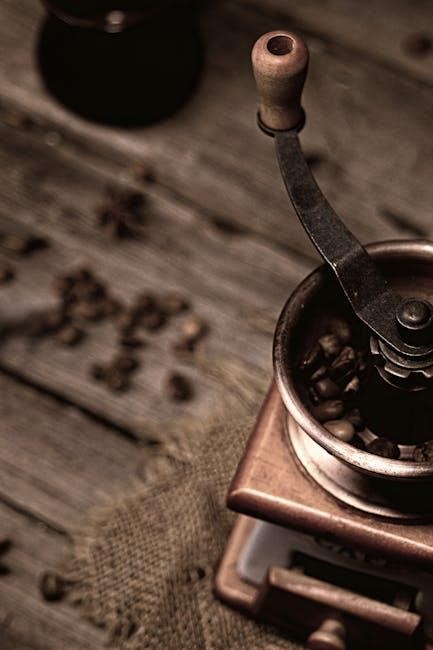
For older Krups machines accepting whole beans, selecting high-quality, freshly roasted beans is paramount. A medium-fine grind is generally recommended for espresso, but experimentation is key to finding your preferred taste. If your machine has a built-in grinder, consult the manual for grind size adjustments.
Pre-ground coffee is acceptable, but freshness diminishes rapidly. Store beans or grounds in an airtight container away from light, heat, and moisture. Remember that preparing espresso differs from drip coffee; a finer grind is essential. Always follow the machine’s instructions regarding coffee quantity and tamping pressure for consistent results.

Brewing Espresso
Instructions emphasize using fresh, pre-ground coffee and following the specific steps for preparing espresso, differing from regular drip brewing methods.
Filling the Portafilter
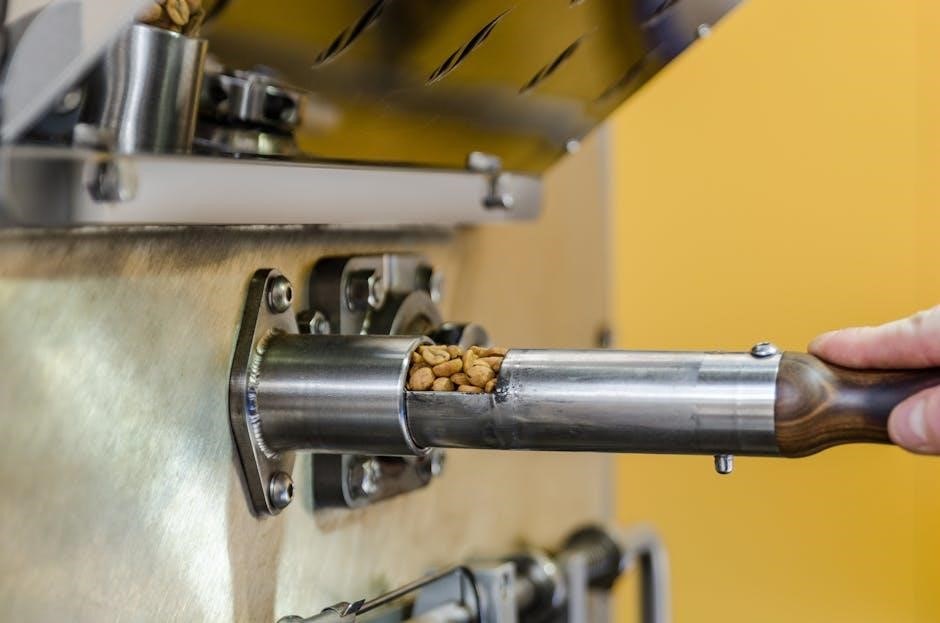
Properly filling the portafilter is crucial for a quality espresso extraction, even with older Krups machines. Begin by ensuring the portafilter is completely dry. Using pre-ground coffee, or freshly ground beans if your model allows, carefully spoon the coffee grounds into the portafilter basket.
Avoid overfilling; leave a small space at the top. The amount of coffee will vary depending on whether you’re making a single or double shot – consult your machine’s manual for specific measurements. Older models may not have precise markings, so experimentation is key.
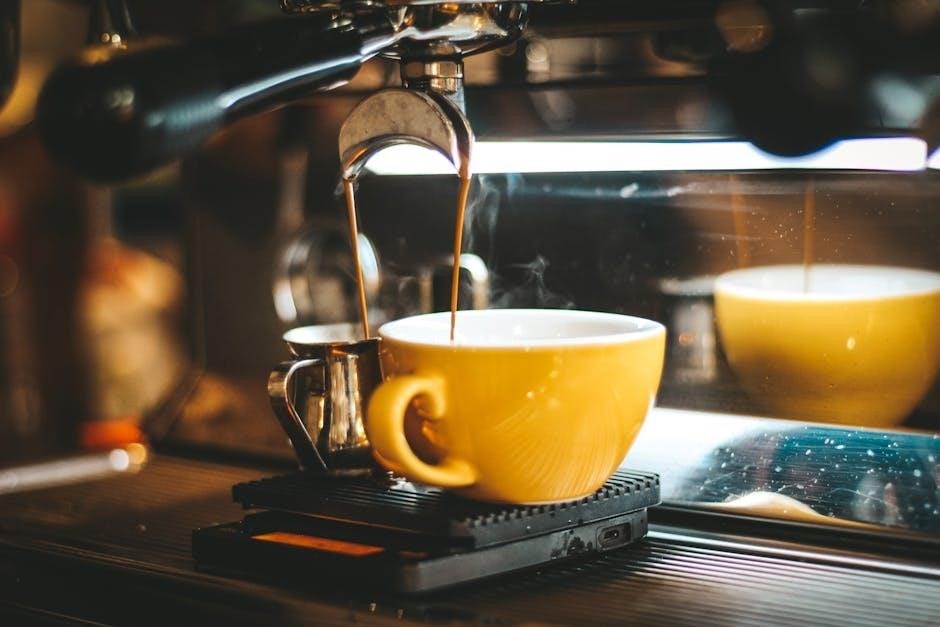
Distribute the grounds evenly within the basket, breaking up any clumps. This ensures consistent water flow and prevents channeling, leading to a balanced and flavorful espresso. A level surface is essential for proper tamping, the next critical step.
Tamping the Coffee Grounds
Tamping is vital for creating resistance, essential for proper espresso extraction, even with vintage Krups machines. Place the portafilter on a stable, flat surface. Using a tamper (often included with the machine, or purchased separately), apply firm, even pressure to the coffee grounds.
Aim for approximately 30 pounds of pressure – consistency is more important than brute force. Ensure the tamper is level to create a uniform puck. A crooked tamp leads to uneven extraction and a poor-tasting shot.
Polish the tamped grounds with a gentle twist to smooth the surface. This further enhances the water flow. Avoid excessive polishing, as it can disturb the puck. A well-tamped puck should be firm and intact, ready for brewing.
Brewing Process – Single & Double Shots
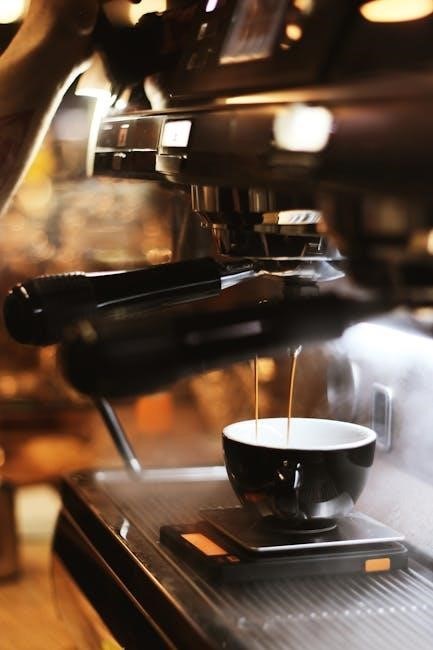
Initiating the brew cycle on your older Krups machine requires understanding its specific controls. Securely lock the portafilter into the brew head. For a single shot, typically around 30ml, activate the brewing button. Monitor the extraction; it should begin within a few seconds.
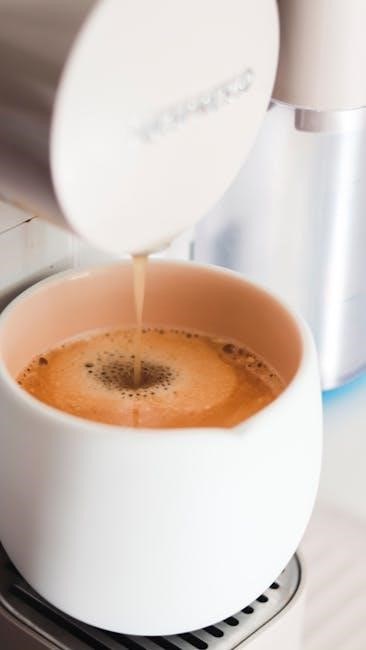
A good espresso shot will exhibit a rich, reddish-brown crema. For a double shot, use a larger coffee dose and a longer brewing time, yielding approximately 60ml. Be mindful of the machine’s pressure; consistent pressure is key.
Older models may lack automatic shut-off, so observe the shot carefully. Stop the brewing process manually when the desired volume is reached. Enjoy immediately for the best flavor!
Milk Frothing & Cappuccino Creation
Older Krups machines utilize a steam wand; purge it before and after frothing to ensure optimal milk texture for cappuccinos and lattes.
Using the Steam Wand
Krups espresso machines, even older models, feature a steam wand for milk frothing. Before use, it’s crucial to purge the wand by briefly opening the steam valve to release any condensed water – this ensures only pure steam heats the milk. Submerge the wand’s tip just below the milk’s surface, and slowly introduce air to create microfoam, essential for latte art and a velvety texture.
Maintain a slight whirlpool motion while steaming. Once the milk reaches the desired temperature (around 140-155°F or 60-68°C), submerge the wand fully and continue briefly to blend the foam. Immediately wipe down the wand with a damp cloth after each use, and purge again to prevent milk buildup. Refer to your specific model’s manual for detailed instructions, as older machines may have slight variations.
Frothing Techniques for Different Textures
Achieving varied milk textures with an older Krups machine relies on steam wand positioning and air introduction. For a cappuccino’s thick, airy foam, initially introduce more air at the surface, creating a louder hissing sound. For a latte’s microfoam – a silky, paint-like texture – keep the wand tip closer to the milk’s surface, introducing less air, and focus on creating a whirlpool.
Experimentation is key! Consistent practice will help you master these techniques. Remember to purge the wand before and after each use. Cleaning immediately prevents milk buildup, crucial for older machines. Consult your machine’s manual for specific guidance, as older models may require slight adjustments to these techniques for optimal results.
Cleaning & Maintenance
Instructions emphasize daily cleaning and regular descaling to prevent constriction and maintain performance; KRUPS disclaims responsibility for misuse or ignored guidelines.
Daily Cleaning Procedures
Maintaining a pristine Krups espresso machine requires consistent daily attention, even with older models. Immediately after each use, thoroughly rinse the portafilter, filter basket, and drip tray with warm water. Remove any residual coffee grounds to prevent clogging and ensure optimal flavor in subsequent brews. Wipe down the exterior of the machine with a damp cloth, paying close attention to the steam wand – purge it after each frothing session to eliminate milk residue.
Refer to your specific model’s manual, if available, for detailed disassembly instructions. Regular cleaning prevents buildup and extends the lifespan of your machine, ensuring consistently delicious espresso. Ignoring these steps can lead to malfunctions and diminished performance, as noted in discussions regarding older Krups machines.
Descaling Your Krups Machine
Descaling is crucial for older Krups espresso machines, preventing mineral buildup that hinders performance. Frequency depends on water hardness – more frequent descaling is needed with hard water. Utilize a commercially available descaling solution specifically designed for espresso machines, following the product’s instructions carefully. Alternatively, a mixture of water and white vinegar can be used, though rinsing is paramount.
Run the descaling solution through a full brew cycle, then several cycles with fresh water to eliminate any residual taste or odor. Krups emphasizes careful adherence to instructions to avoid damage. Regular descaling, as outlined in user manuals, ensures longevity and optimal espresso quality.
Portafilter & Accessory Cleaning
Consistent cleaning of the portafilter and accessories is vital for maintaining espresso quality in older Krups machines. After each use, thoroughly rinse the portafilter with warm water, removing all coffee grounds. Disassemble and wash the filter basket, ensuring no residue remains. Pay close attention to the shower screen, clearing any blockages.
Accessories like the milk frothing wand should be immediately wiped clean after use to prevent milk buildup. Periodically soak these components in warm, soapy water. Refer to your Krups user manual for specific instructions; proper cleaning, as with descaling, extends the machine’s lifespan and ensures consistently flavorful espresso.
Troubleshooting Common Issues
KRUPS cannot accept responsibility if instructions aren’t followed; issues like machines not turning on or brewing improperly require careful manual review.
Machine Not Turning On
If your older Krups espresso machine fails to power on, several checks are crucial before assuming a major malfunction. First, meticulously verify the power cord connection – ensure it’s securely plugged into both the machine and a functioning wall outlet. Consult the user manual, as older models may have a separate power switch beyond the main on/off button.
Next, investigate the possibility of a tripped circuit breaker or blown fuse. Reset the breaker or replace the fuse if necessary. KRUPS emphasizes careful adherence to instructions; improper use can void any potential warranty, even on older units. Finally, if the machine still doesn’t respond, internal components might be faulty, potentially requiring professional repair or replacement.
Espresso Not Brewing Properly
If your older Krups espresso machine isn’t brewing correctly, begin by ensuring you’re following the instructions for filling the portafilter and tamping the grounds. Uneven tamping or insufficient coffee can lead to weak or no extraction. Remember, preparing espresso differs significantly from drip coffee.
Descaling is vital; mineral buildup restricts water flow, impacting brewing quality. Refer to your manual for descaling procedures. Also, check the water reservoir and filter – a clogged filter or empty reservoir will halt the process. Older machines may require more frequent cleaning. KRUPS emphasizes using fresh, pre-ground coffee for best results, and a sensory journey with balanced flavors.
Steam Wand Malfunctions
If the steam wand on your older Krups machine isn’t functioning, first ensure the machine has fully heated up. Refer to your user manual for specific heating times. A common issue is blockage from milk residue; immediately after each use, purge the wand by briefly opening the steam valve.
Thorough cleaning is crucial. Disassemble and soak the wand tip in warm water to dissolve buildup. If the wand still doesn’t produce steam, check for kinks in the internal tubing – older machines are prone to this. KRUPS cannot accept responsibility if instructions aren’t followed. Remember, proper maintenance prevents many malfunctions, ensuring a sensory journey with exquisite flavors.