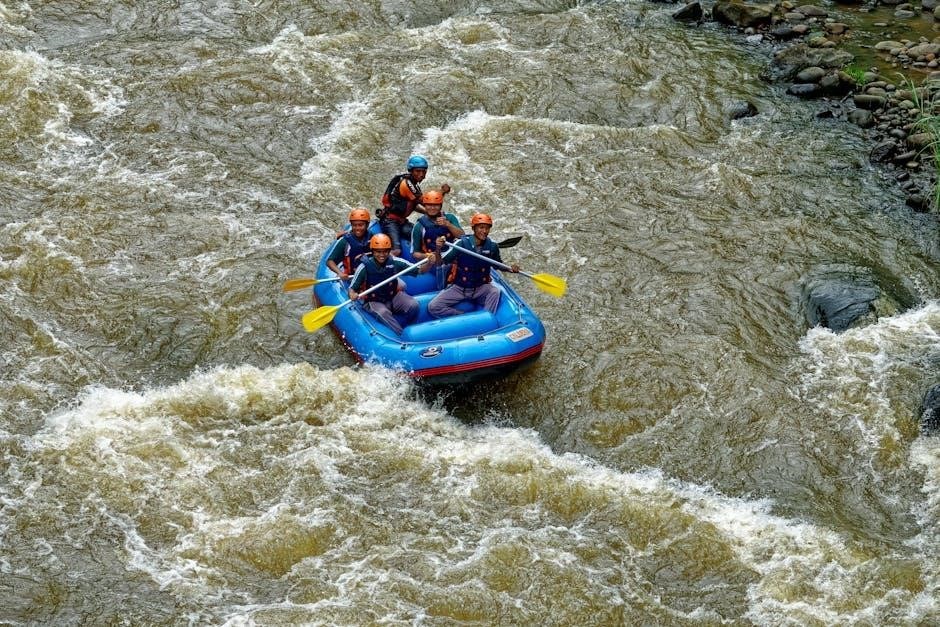
Sygg River Guide: A Comprehensive Overview (Updated November 29‚ 2025)
Urgent safety alerts are now in effect for the Sygg River‚ particularly concerning swimming and fishing‚ as cautioned by the Lower Susquehanna Riverkeeper Association today.
The Sygg River‚ a vital tributary within the broader Susquehanna River basin‚ presents a unique blend of natural beauty and recreational opportunities‚ though currently shadowed by critical safety concerns. As of November 29‚ 2025‚ the Lower Susquehanna Riverkeeper Association has issued strong warnings regarding water access‚ specifically for swimmers and anglers. This guide aims to provide a comprehensive overview of the river‚ balancing its allure with the necessary precautions for responsible enjoyment.
Historically significant and ecologically diverse‚ the Sygg River supports a range of aquatic life and riparian habitats. However‚ recent reports indicate potential hazards necessitating heightened awareness. This document will detail access points‚ potential dangers‚ and ongoing conservation efforts‚ ensuring visitors are well-informed before engaging with this valuable waterway. Understanding the current conditions is paramount for a safe and rewarding experience.
Geographical Location and River Basin
The Sygg River is strategically positioned within the Lower Susquehanna River basin‚ traversing landscapes across [insert specific counties/regions ⎼ information not provided]. Its headwaters originate in [insert source location ⎼ information not provided]‚ flowing generally in a [insert direction ⎼ information not provided] direction before converging with the Susquehanna River near [insert confluence point ─ information not provided]. This geographical placement significantly influences the river’s characteristics‚ including its flow rate‚ water temperature‚ and sediment composition.

The river basin encompasses a diverse range of land uses‚ from agricultural areas to forested uplands‚ impacting water quality and ecological health. Understanding the basin’s topography and land cover is crucial for assessing potential pollution sources and implementing effective conservation strategies. Current advisories from the Lower Susquehanna Riverkeeper Association highlight the need for caution when interacting with the river‚ given potential hazards within this complex basin.
Historical Significance of the Sygg River
The Sygg River holds a rich‚ albeit often overlooked‚ historical significance for the region. Indigenous peoples‚ including the Susquehannock tribe‚ historically relied on the river for sustenance‚ transportation‚ and spiritual practices long before European settlement. Early colonial accounts document the river’s importance for milling operations‚ powering gristmills and sawmills that fueled local economies.
Throughout the 19th and 20th centuries‚ the Sygg River served as a vital transportation corridor‚ facilitating the movement of goods and people. However‚ industrial development also brought increased pollution‚ impacting water quality and river ecosystems. Recent warnings from the Lower Susquehanna Riverkeeper Association underscore the ongoing legacy of past practices and the need for continued vigilance regarding river health and safety for all users.
River Ecology and Biodiversity
The Sygg River’s ecological health is a complex interplay of aquatic and terrestrial environments. The river supports a diverse range of species‚ though current conditions pose challenges. Recent advisories from the Lower Susquehanna Riverkeeper Association highlight concerns regarding water quality and its impact on the river’s delicate balance.
The river’s biodiversity is crucial for maintaining ecosystem services‚ including water purification and habitat provision. Understanding the interconnectedness of fish populations‚ plant life‚ and wildlife dependent on the Sygg River is essential for effective conservation efforts. Ongoing monitoring and mitigation strategies are vital to address pollution sources and ensure the long-term health of this valuable resource for future generations.
Fish Species Found in the Sygg River
The Sygg River historically supported a robust fish population‚ including various species of bass‚ catfish‚ and sunfish. However‚ recent water quality concerns‚ as flagged by the Lower Susquehanna Riverkeeper Association‚ are impacting fish health and reproductive rates. Anglers report declining catches of certain species‚ raising alarms about the river’s ecological stability;
Commonly found species include Smallmouth Bass‚ Channel Catfish‚ and Bluegill. Monitoring efforts are underway to assess the prevalence of contaminants in fish tissue and their potential impact on human consumption. Conservation initiatives focus on habitat restoration and pollution reduction to bolster fish populations and ensure the long-term viability of this important resource for recreational fishing and overall ecosystem health.
Aquatic Plant Life and Ecosystem Health
The health of aquatic plant life within the Sygg River is a crucial indicator of overall ecosystem wellbeing. Submerged aquatic vegetation (SAV) provides vital habitat for fish and invertebrates‚ while also contributing to oxygen levels and nutrient cycling. Current observations suggest a decline in SAV coverage in certain sections‚ potentially linked to increased turbidity and agricultural runoff.
Dominant plant species include various types of pondweed and watermilfoil. The Lower Susquehanna Riverkeeper Association actively monitors plant communities to assess ecosystem health and identify potential stressors. Restoration efforts‚ such as shoreline stabilization and riparian buffer plantings‚ aim to improve water clarity and promote the growth of beneficial aquatic vegetation‚ ultimately supporting a more resilient river ecosystem.
Wildlife Dependent on the Sygg River
The Sygg River sustains a diverse array of wildlife‚ functioning as a critical corridor for both resident and migratory species. Numerous bird species‚ including herons‚ kingfishers‚ and various waterfowl‚ rely on the river for foraging and nesting. Mammals like muskrats‚ beavers‚ and river otters are frequently observed along the riverbanks‚ benefiting from the abundant food sources and shelter;
Reptiles and amphibians‚ such as turtles and salamanders‚ also thrive in the Sygg River’s aquatic and riparian habitats. The health of the river directly impacts these populations; pollution and habitat loss pose significant threats. Conservation efforts focused on maintaining water quality and protecting riparian zones are essential for ensuring the continued survival of this valuable wildlife community.

Recreational Activities on the Sygg River
The Sygg River offers a variety of recreational opportunities‚ attracting outdoor enthusiasts year-round. However‚ current warnings from the Lower Susquehanna Riverkeeper Association necessitate extreme caution for swimmers and anglers. Despite these concerns‚ kayaking and canoeing remain popular‚ with several established routes offering scenic views and gentle currents.
Fishing is also a common pastime‚ though anglers should be aware of current regulations and potential water quality issues. While swimming and wading are possible in certain areas‚ the recent advisory highlights significant safety concerns. Responsible recreation requires awareness of these hazards and adherence to all posted warnings and guidelines to ensure a safe and enjoyable experience.
Kayaking and Canoeing Routes
The Sygg River presents diverse kayaking and canoeing routes‚ catering to various skill levels. Several well-maintained access points facilitate easy launches‚ allowing paddlers to explore the river’s scenic beauty. A popular route stretches from the bridge at Route 615 to the confluence with the Susquehanna‚ offering approximately eight miles of gentle paddling.
More experienced kayakers can navigate the upper reaches‚ encountering minor rapids and tighter bends. Always check water levels and weather conditions before embarking on a trip. Remember the recent warnings regarding water quality; avoid prolonged contact and rinse thoroughly after any accidental immersion. Detailed maps outlining these routes‚ including portage locations‚ are available from local outfitters and the Riverkeeper Association.
Fishing Opportunities and Regulations
The Sygg River supports a variety of fish species‚ making it a popular destination for anglers. Common catches include smallmouth bass‚ sunfish‚ and catfish. However‚ current advisories from the Lower Susquehanna Riverkeeper Association urge caution due to potential water quality concerns impacting fish health.
Pennsylvania Fish and Boat Commission regulations apply‚ requiring a valid fishing license for anyone 16 years or older. Specific size and creel limits vary by species; consult the official PFBC website for the most up-to-date information. Anglers are advised to practice catch-and-release whenever possible‚ especially given the ongoing efforts to improve river ecology. Be aware of potential hazards and heed all posted warnings regarding water safety while fishing.
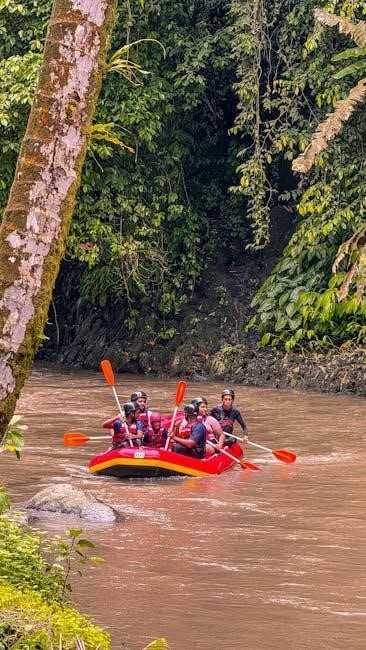
Swimming and Wading Safety Concerns (Current Warnings)
The Lower Susquehanna Riverkeeper Association has issued a strong warning against swimming and wading in the Sygg River. Elevated bacteria levels and potential pollutants pose significant health risks to recreational users. Recent reports indicate conditions that could lead to skin irritation‚ infections‚ and other waterborne illnesses.
These concerns are particularly acute after periods of heavy rainfall‚ which increases agricultural runoff and introduces contaminants into the waterway. Individuals are strongly advised to avoid any contact with the river water. Heed all posted warning signs and prioritize personal safety. The Riverkeeper Association continues to monitor water quality and will issue updates as conditions change; check their website for the latest information before considering any water activities.
Sygg River Water Quality
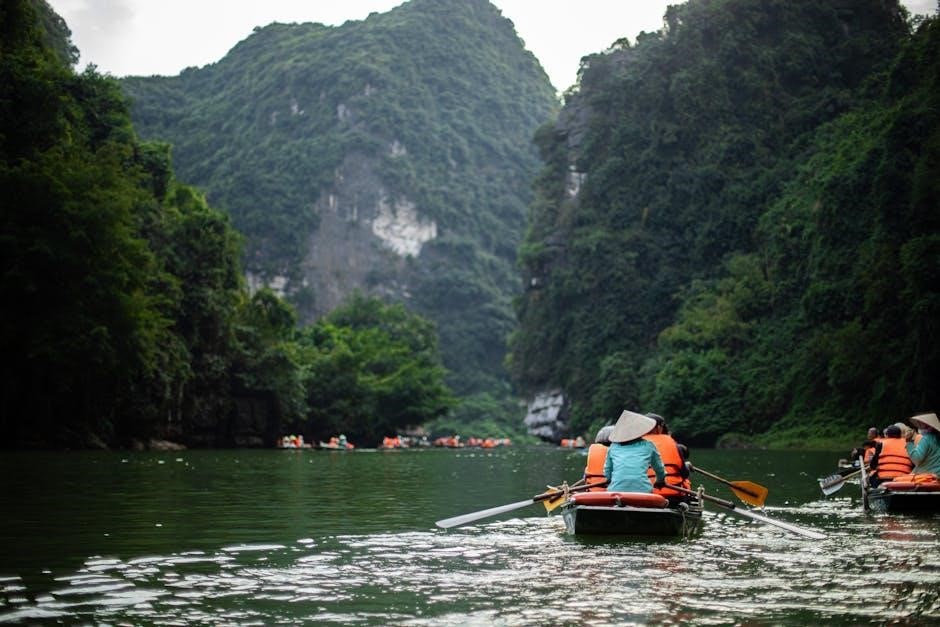
Water quality in the Sygg River is currently a significant concern‚ prompting ongoing monitoring and assessment by the Lower Susquehanna Riverkeeper Association and other environmental agencies. Recent data reveals fluctuating levels of bacteria‚ sediment‚ and agricultural pollutants impacting the river’s overall health. Regular testing is conducted at various points along the river to track these changes and identify potential sources of contamination.
The presence of agricultural runoff‚ particularly following rainfall events‚ contributes substantially to these issues. Mitigation efforts are underway‚ focusing on best management practices for local farms and improved stormwater management systems. Public access to current water quality reports and data is available through the Riverkeeper Association’s website‚ providing transparency and informing recreational users.
Current Water Quality Reports and Data
The Lower Susquehanna Riverkeeper Association publishes comprehensive water quality reports updated regularly‚ typically following each sampling event. These reports detail key indicators such as fecal coliform bacteria levels‚ turbidity‚ dissolved oxygen‚ and pH balance at designated monitoring stations along the Sygg River. Data is collected weekly during the recreational season (May-September) and monthly during the off-season.
Access to these reports is readily available on the Association’s official website‚ presented in both tabular and graphical formats for easy interpretation. Historical data is also archived‚ allowing for trend analysis and identification of long-term changes in water quality. Users can also find information regarding specific sampling locations and methodologies employed. Real-time alerts are issued when water quality parameters exceed safe thresholds.
Pollution Sources and Mitigation Efforts
Non-point source pollution‚ primarily agricultural runoff‚ represents the most significant threat to Sygg River water quality. This runoff carries sediment‚ nutrients (nitrogen and phosphorus)‚ and pesticides from surrounding farmland. Combined sewer overflows (CSOs) during heavy rainfall events also contribute to localized pollution spikes‚ introducing bacteria and other contaminants.
Mitigation efforts are spearheaded by the Lower Susquehanna Riverkeeper Association‚ collaborating with local farmers to implement best management practices (BMPs) like cover cropping‚ no-till farming‚ and riparian buffer zones. Municipalities are working to upgrade wastewater treatment facilities and reduce CSOs. Ongoing monitoring and public education campaigns aim to raise awareness and encourage responsible land stewardship practices along the river corridor.
Impact of Agricultural Runoff
Agricultural runoff profoundly impacts the Sygg River’s ecosystem‚ fueling excessive nutrient loads that trigger algal blooms. These blooms deplete dissolved oxygen‚ creating “dead zones” detrimental to aquatic life‚ particularly fish populations. Sedimentation from eroded soil clouds the water‚ reducing sunlight penetration and hindering the growth of aquatic plants.
Pesticide contamination poses a direct threat to the health of fish and invertebrates‚ potentially bioaccumulating up the food chain. The resulting imbalance disrupts the river’s natural ecological processes. Long-term exposure to these pollutants can lead to decreased biodiversity and a decline in overall ecosystem health‚ necessitating continued monitoring and mitigation strategies.
River Conservation and Preservation
Protecting the Sygg River requires a multifaceted approach‚ emphasizing collaborative efforts between local organizations and dedicated individuals. The Lower Susquehanna Riverkeeper Association plays a pivotal role‚ actively monitoring water quality‚ advocating for responsible land management practices‚ and educating the public about the river’s ecological significance.
Local conservation initiatives focus on riparian buffer restoration‚ streambank stabilization‚ and reducing agricultural runoff. These projects aim to enhance habitat‚ improve water clarity‚ and mitigate pollution. Addressing future challenges‚ such as climate change and increasing development pressure‚ demands proactive planning and sustained commitment to preserving this vital waterway for generations to come.
Role of the Lower Susquehanna Riverkeeper Association
The Lower Susquehanna Riverkeeper Association stands as a crucial advocate for the Sygg River’s health and preservation. Their dedicated team actively monitors water quality‚ issuing timely warnings – like the current advisory against swimming and fishing due to potential hazards. They champion responsible stewardship through community outreach and educational programs‚ fostering a deeper understanding of the river’s ecological importance.
Furthermore‚ the Association actively engages in legal advocacy‚ challenging activities that threaten the river’s integrity. They collaborate with landowners‚ municipalities‚ and state agencies to implement best management practices‚ ensuring the long-term sustainability of this valuable resource. Their vigilance is paramount to protecting the Sygg River.
Local Conservation Initiatives
Several grassroots efforts bolster the Riverkeeper’s work‚ focusing on localized improvements along the Sygg River. Community-led stream cleanups regularly remove debris‚ enhancing both aesthetic appeal and aquatic habitat. Local landowners are increasingly adopting riparian buffer practices‚ planting native vegetation to filter runoff and stabilize banks – a proactive step towards mitigating pollution.

Educational workshops‚ often co-hosted with the Riverkeeper Association‚ empower residents with knowledge about responsible land management. Furthermore‚ collaborative projects with local schools engage students in monitoring water quality and identifying pollution sources. These initiatives demonstrate a strong community commitment to safeguarding the Sygg River for future generations‚ complementing broader conservation strategies.
Future Conservation Challenges
Despite current successes‚ the Sygg River faces evolving threats. Climate change projections indicate increased frequency of intense rainfall events‚ potentially exacerbating agricultural runoff and erosion. Continued development within the river basin poses a risk of habitat fragmentation and increased stormwater discharge‚ demanding careful land-use planning.
Emerging contaminants‚ such as microplastics and pharmaceutical residues‚ represent a growing concern requiring advanced monitoring and mitigation technologies. Maintaining consistent funding for conservation programs and fostering broader public awareness remain crucial. Addressing these challenges proactively will be essential to ensure the long-term health and resilience of the Sygg River ecosystem for years to come.
Sygg River Access Points and Boat Launches
Numerous locations provide access to the Sygg River for recreational users. Public access is available at several parks along the riverbank‚ offering parking‚ trails‚ and launch facilities for kayaks and canoes. These include Susquehanna State Park and several county-managed recreational areas‚ detailed on the Department of Conservation and Natural Resources website.
Limited private launch facilities exist‚ often requiring prior permission from landowners. Respecting private property is paramount. Detailed maps illustrating access points‚ including GPS coordinates and amenities‚ are available through the Lower Susquehanna Riverkeeper Association. Always check current conditions and potential hazards before launching‚ and be aware of any posted restrictions or closures.
Public Access Locations
Several well-maintained public access points dot the Sygg River’s course‚ catering to diverse recreational needs. Susquehanna State Park boasts a popular boat launch‚ ample parking‚ and picnic areas‚ making it ideal for day trips. Havre de Grace Decoy Museum offers river access alongside its historical exhibits. Additionally‚ several county parks‚ like Spesutia Meadows Park‚ provide convenient launch spots for kayaks and canoes.
These locations generally feature marked trails leading to the riverbank‚ though terrain can vary. Always check the Department of Conservation and Natural Resources website for updated access information‚ including seasonal closures or maintenance schedules. Remember to adhere to all posted regulations and practice Leave No Trace principles to preserve these valuable resources.
Private Launch Facilities (with permissions)
Accessing the Sygg River via private launch facilities requires prior arrangement and explicit permission from landowners. Several riverside properties offer launch access for a fee or through reciprocal agreements with local paddling clubs. These facilities often provide amenities not found at public locations‚ such as secure parking‚ restrooms‚ and sheltered launch areas.

Obtaining permission is crucial; unauthorized access constitutes trespassing. Contact information for landowners offering launch access can sometimes be found through the Lower Susquehanna Riverkeeper Association or local outfitters. Always confirm launch fees‚ operating hours‚ and any specific regulations before your visit. Respect property boundaries and adhere to all landowner instructions to ensure continued access.
Sygg River Hazards and Safety Precautions
The Sygg River presents several potential hazards demanding vigilant safety measures. Current warnings from the Lower Susquehanna Riverkeeper Association highlight risks associated with wading and swimming due to unpredictable currents and unseen underwater obstacles. Fluctuating water levels‚ particularly after rainfall‚ can rapidly alter river conditions.
Boaters should be aware of submerged rocks‚ fallen trees‚ and debris. Always wear a properly fitted personal flotation device (PFD)‚ even for short trips. Check the weather forecast before heading out and be prepared for changing conditions. Inform someone of your planned route and estimated return time. Be mindful of wildlife‚ and avoid approaching or disturbing animals. Carry a first-aid kit and communication device.