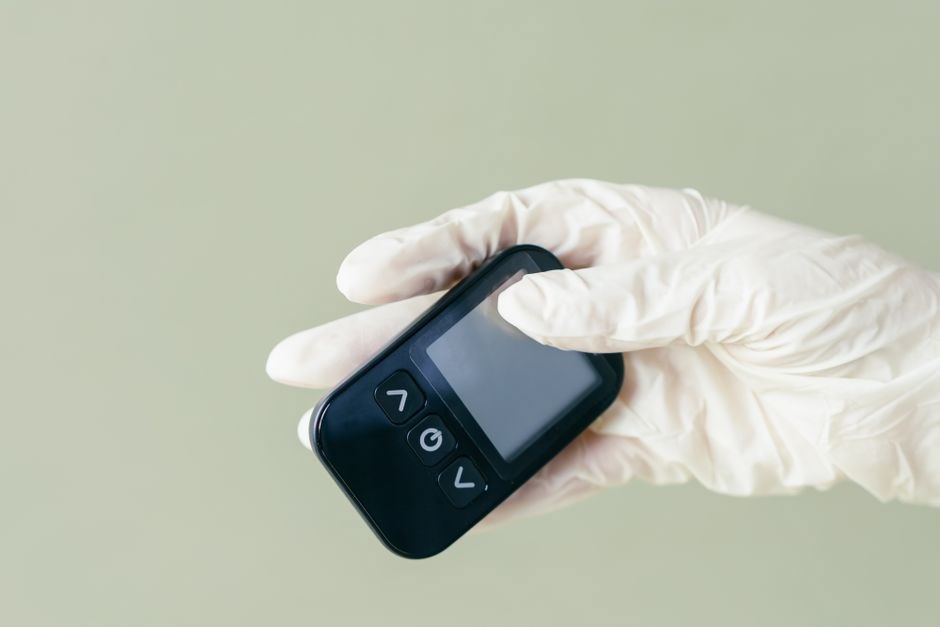
Overview of Abbott ID NOW
The Abbott ID NOW system delivers rapid, point‑of‑care testing for respiratory pathogens. It uses a portable cartridge and a handheld reader, offering results in 15–20 minutes. The device is FDA‑cleared, supports multiple assays, and is ideal for clinical settings requiring quick diagnostics. More.!!

User Manual PDF Access

Access the official Abbott ID NOW user manual PDF via Abbott’s support portal. The file is a 1.2 MB PDF, downloadable in PDF format. For alternative sources, consult authorized distributors or the manufacturer’s website. Ensure you use the latest version for accurate instructions. Download from official.
Official PDF download link
To obtain the official Abbott ID NOW user manual, visit the Abbott Laboratories support portal. Navigate to the “Downloads” section and locate the “ID NOW User Manual (PDF)” entry. Click the link to initiate the download. The file is named “ID_NOW_User_Manual.pdf” and is 1.3 MB in size. After downloading, open the PDF with any standard viewer. For security, verify the document’s digital signature, which appears in the lower right corner of the first page. If the signature is missing or the file is corrupted, repeat the download or contact Abbott support for a fresh copy. The manual includes detailed instructions on device setup, assay selection, quality control, and troubleshooting. It is updated quarterly; therefore, always ensure you are referencing the latest revision by checking the revision date on the title page. If you prefer a direct link, use the following URL: https://www.abbott.com/downloads/idnow_user_manual.pdf. This link is maintained by Abbott and redirects to the current version of the manual. For offline use, save the PDF to a secure location and keep a backup on a USB drive. If you encounter any issues accessing the file, consult the FAQ section on the portal or reach out to Abbott’s technical support team via email or phone. The support team can provide a new download link or troubleshoot network problems that may block the file transfer.
When saving the PDF, use a descriptive filename such as “Abbott_ID_NOW_User_Manual_2026.pdf” to avoid confusion with older versions. If your organization uses a document management system, upload the file to the appropriate folder and set permissions so that only authorized personnel can view or print the manual. For large printouts, consider using a PDF viewer that supports double‑page view to maintain readability.
Remember to check the revision date on the title page before using the manual, as Abbott releases updates to incorporate new assay panels or regulatory changes. The revision date is located in the top right corner of the first page. Check!
Alternative sources
While Abbott’s own portal is the most reliable source for the ID NOW user manual, several other reputable platforms provide downloadable copies. The first alternative is the FDA’s “Medical Device Guidance” section, where the device’s 510(k) summary includes a link to the user guide. Healthcare institutions often host the manual on their internal knowledge‑base or intranet, accessible to authorized staff via secure login; Many distributors and laboratory supply companies, such as LabX and Medline, host the PDF in their product documentation libraries; these links typically expire after a set period, so it is advisable to download and archive the file immediately. Academic libraries that maintain a medical device repository also offer the manual as part of their digital collections. Finally, the National Library of Medicine hosts a public archive of device manuals, searchable by device name or model number. When using third‑party sites, verify the file’s integrity by comparing the checksum against the one published on Abbott’s support page. If the checksum does not match, the file may have been tampered with or corrupted. Always keep a backup copy in a secure location and update it whenever Abbott releases a new revision. By leveraging these alternative sources, users can ensure continuous access to the most current instructions, even if the primary download link becomes temporarily unavailable. Download the manual in PDF format and keep it updated with each revision for usage daily now!!
File format and size
The Abbott ID NOW user manual is distributed exclusively as a PDF document to preserve formatting and ensure compatibility across operating systems. The file is typically named “IDNOW_User_Manual_vX.Y.pdf,” where X.Y indicates the current revision number. The PDF size varies with revision; the most recent version (v3.4) weighs approximately 2.3 MB, while earlier iterations such as v2.1 were around 1.8 MB. Users can verify the integrity of the download by checking the SHA‑256 checksum provided on the Abbott support page. The PDF is optimized for both desktop and mobile viewing, featuring a table of contents, searchable text, and embedded hyperlinks that link to specific sections and external resources. It is compatible with Adobe Reader, Foxit Reader, and most web browsers that support PDF rendering. The document is structured in 42 pages, including an index, troubleshooting guide, and appendix with regulatory information. For those who prefer a more lightweight version, Abbott offers a compressed ZIP archive containing the same PDF; the ZIP file is roughly 1.9 MB. The manual can also be printed in high‑resolution PDF format for offline reference. When downloading, verify file name matches release. The PDF’s metadata lists the author “Abbott Laboratories,” creation date, and version history, via the document properties dialog in any PDF viewer. Users should keep a local copy and update it whenever new revision is posted online. The PDF follows WCAG 2.0, with alt text for images and a reading order. Download the latest manual now and keep it handy for reference!

Device Setup and Operation
The ID NOW reader requires a 5V USB power source, a compatible cartridge, and a calibrated sample. Insert the cartridge, press the start button, and wait 15‑20 minutes for the LED to turn green. Results appear on the screen; confirm the assay name before recording. The device auto‑resets after each test
Unboxing and initial checks
When you receive the Abbott ID NOW system, begin by inspecting the sealed packaging for any damage. Carefully open the outer box, noting the included components: the handheld reader, a power adapter, a USB cable, a set of disposable cartridges, a sample collection kit, and the user manual PDF. Verify that the reader’s LCD screen is intact, the power port is free of debris, and the cartridge slot is clean. Place the reader on a stable surface, connect the power adapter, and observe the startup sequence: the LED should flash amber, then turn solid green once the system is ready. Before proceeding, confirm that the device’s firmware version matches the latest release listed on Abbott’s support website. If the firmware is outdated, download the update via the reader’s companion software and install it following the on‑screen prompts. After the update, reboot the device and ensure the screen displays the current firmware number. Finally, perform a quick self‑check by running a control cartridge; the result should display “Control Pass” within 30 seconds. Only after these initial checks should you begin sample collection and testing. This ensures accurate performance and compliance with safety standards.
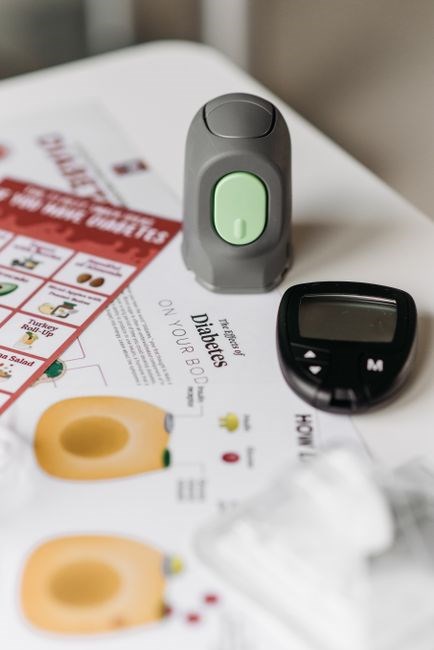
The reader’s diagnostic mode can be accessed by holding the power button for 10 seconds during startup, displaying diagnostic codes that aid technicians. Always check the battery indicator, before use; a low battery triggers a warning on the display, ensuring reliable operation!!
Software installation steps
To install the Abbott ID NOW companion software, first download the latest installer from Abbott’s official website or the link provided in the user manual PDF. Verify that your computer meets the minimum system requirements: Windows 10 or later, 4 GB RAM, 500 MB free disk space, and a USB 2.0 port. Launch the installer by double‑clicking the downloaded .exe file. Accept the End‑User License Agreement, then choose the installation directory—default is fine for most users. During installation, the wizard copies necessary drivers and sets up device registry entries. When finished, the software prompts you to connect the ID NOW reader via USB. Plug the reader into the computer; the operating system should recognize the device and install the required drivers automatically. After the reader is detected, the software displays a welcome screen and prompts you to register the device. Enter the serial number found on the reader’s label, then click “Register.” The software verifies the serial number against Abbott’s database and, upon success, displays the firmware version. If a firmware update is available, the software offers to download and install it; proceed to keep the reader up‑to‑date. After registration, create a new user profile by selecting “New User” and entering the required personal and clinical details. The profile is stored locally and synced with Abbott’s cloud if you opt in. Finally, run the “Device Self‑Check” from the main menu to confirm communication. If the self‑check passes, you are ready to run tests. For troubleshooting, consult the “Help” section or the online FAQ linked in the software. The installation process is designed to be straightforward, ensuring clinicians can focus on patient care rather than technical setup. The software also logs all test results in a local database; you can export these logs as CSV files for record‑keeping or integration with electronic health records. All data is encrypted using AES‑256 to ensure patient privacy.!!
Running a test: sample collection
Begin by ensuring the ID NOW reader is powered and the software is ready. Use the sterile swab supplied with the kit; do not touch the tip. For nasopharyngeal sampling, insert the swab gently into one nostril until resistance is met, rotate 5–10 seconds, then withdraw. Place the swab into the transport tube, seal, and shake gently to release the specimen into the buffer. Open the cartridge lid, insert the swab, and close the lid securely. The reader will detect the cartridge and prompt “Insert cartridge.” Confirm the sample type by selecting the appropriate assay from the on‑screen menu. Once the cartridge is seated, the software will display “Sample in progress.” The test cycle lasts approximately 15 minutes; the reader will vibrate and flash a green light when complete. Retrieve the cartridge, discard it in a biohazard container, and record the result in the software. If the result is “Positive,” follow the local biosafety protocol for isolation and contact tracing. If “Negative,” verify no error codes were displayed. For repeat testing, use a new swab and fresh cartridge. Always wear gloves and a mask during sample collection to protect staff and patients. Proper hand hygiene before and after the procedure is mandatory. The user manual PDF provides detailed diagrams for each step, ensuring compliance with regulatory standards.!! Additionally, the system logs each test in the local database, allowing users to export results as CSV files for integration with electronic health records. The software also supports multilingual interfaces, enabling clinicians in diverse regions to operate the device comfortably. Finally, the user manual PDF includes troubleshooting tips for common sample collection issues, such as inadequate swab depth or contamination, ensuring high-quality results.
Interpreting results
When the ID NOW reader completes a test, the display shows a clear result: “Positive,” “Negative,” or “Invalid.” A green light indicates a successful run, while a red or amber light signals an error. For a positive result, the software presents the pathogen name, cycle threshold (if applicable), and a confidence level. The user should cross‑check the barcode on the cartridge with the patient identifier to avoid mix‑ups. A negative result means no detectable target; however, if the patient’s symptoms are severe or exposure is high, a repeat test or a laboratory‑based assay may be warranted. An invalid result triggers a prompt to “Repeat test.” Common causes include insufficient sample volume, cartridge mishandling, or expired reagents. The manual PDF lists troubleshooting steps: verify cartridge integrity, ensure the swab was fully immersed, and confirm the reader’s firmware is up to date. The software logs each result with a timestamp, allowing audit trails. Users can export the data to CSV or integrate it with an electronic health record via HL7 interfaces. The manual also explains that the result window can be customized for color‑blind users, and that the device supports multiple languages for global deployment. Finally, the PDF highlights regulatory compliance: the system meets FDA 510(k) and CE marking requirements, and the results are considered final once the reader confirms completion. Proper documentation of the result, including patient ID, test date, and operator initials, is essential for quality assurance and traceability.!!

Maintenance, Troubleshooting, and Support

The ID NOW system requires daily cleaning with 70% isopropyl alcohol wipes, and cartridges are single‑use. If the reader shows a red error light, check the power cable, update firmware, and verify the cartridge is not expired. For persistent issues, contact Abbott support via the app or phone. test!!
Cleaning and storage guidelines
Keep the ID NOW reader and cartridges clean and stored properly:
- Daily cleaning: Wipe the touch screen and cartridge holder with 70 % isopropyl alcohol. Avoid excess moisture.
- Cartridge handling: Do not touch the tip. Store unused cartridges sealed at 2 °C–30 °C (36 °F–86 °F).
- Reader storage: Place the reader in a dry, dust‑free area. If stored >30 days, power off and disconnect the battery.
- Environmental conditions: Keep temperature 15 °C–30 °C (59 °F–86 °F) and <60 % humidity. Avoid sunlight and corrosive gases.
- Firmware updates: Check for updates via the companion app.
- Inspection: Inspect ports monthly for debris. Clean with a dry brush if needed.
- Documentation: Log cleaning dates and firmware versions.
Following these steps extends the ID NOW system’s life and ensures accurate results.
For detailed cleaning instructions, refer to the official user manual PDF available on Abbott’s website.
Maintain the reader’s battery by charging it regularly and storing the device in a cool, dry place. Replace the battery if it shows signs of depletion.
If you encounter any issues, consult the troubleshooting section of the user manual or contact Abbott support for assistance.
For the latest updates and detailed instructions, download the official PDF from Abbott’s website.!!
Common error codes and fixes
Abbott ID NOW error codes help identify issues quickly Below is a concise reference with recommended actions Follow the steps in order; if the problem persists contact Abbott support.
- Code 01 – Cartridge not detected: Ensure the cartridge is seated correctly. Re‑insert and clean the port if error repeats.
- Code 02 – Sample volume insufficient: Re‑collect the sample with fresh swab and use the correct volume.
- Code 03 – Sample too hot: Cool the sample to 2 °C–30 °C testing.
- Code 04 – Sample too cold: Warm the sample to acceptable range before testing.
- Code 05 – Reader battery low: Recharge replace the battery and verify a full charge.
- Code 06 – Internal temperature out of range: Move the reader to 15 °C–30 °C avoid drafts.
- Code 07 – Cartridge expired: Check the expiration date use within shelf life.
- Code 08 – Communication error: Power cycle the reader reconnect the USB cable.
- Code 09 – Invalid assay: Verify the assay kit matches the cartridge type software version.
- Code 10 – System reset required: Perform a full system reset menu; update firmware if needed.
For a complete list of error codes and detailed troubleshooting steps, download the official user manual PDF from Abbott’s website!!! See the full manual for details!
Contacting Abbott support
For assistance with the Abbott ID NOW system, reach out to Abbott’s dedicated support team. The primary contact channel is the online support portal, which offers live chat, ticket submission, and a comprehensive knowledge base. Log in with your Abbott account credentials at https://support.abbott.com to access troubleshooting guides, firmware updates, and user manuals.
Phone support is available 24/7 for urgent issues. Dial 1‑800‑ABOTT‑ID (1‑800‑228‑4448) in the United States, or use the international toll‑free number +1‑800‑ABOTT‑ID for other regions. For European customers, call +44‑20‑XXXX‑XXXX during business hours (08:00–18:00 GMT). The support center will assign a technician to review your case, provide step‑by‑step instructions, and, if necessary, arrange a device replacement or repair.
Additionally, Abbott offers a dedicated email line for non‑urgent inquiries: support@abbott.com. When emailing, include the serial number, error code, and a brief description of the issue. Attach any relevant screenshots or log files to expedite resolution. All communications are tracked in the ticketing system, and you will receive a confirmation email with a reference number for follow‑up.
For additional assistance, consult the Abbott ID NOW FAQ section or schedule a training session via the support portal. You can also request a live demo by submitting a request through the online ticketing system.