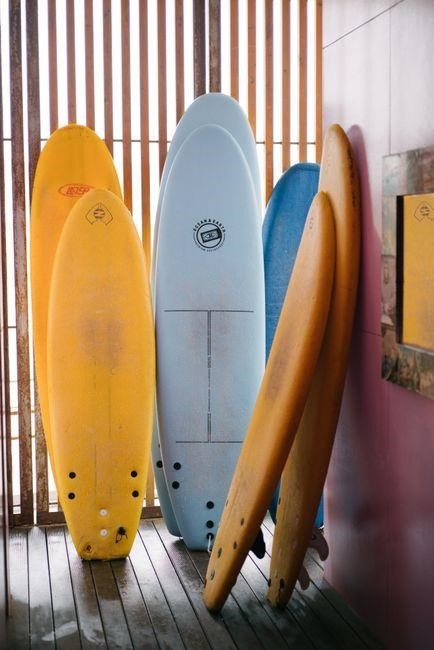
Understanding Volume and Buoyancy
Volume, measured in liters, dictates buoyancy and paddling ease. A higher volume gives more lift for beginners, while lower volume suits advanced riders seeking speed. Adjust volume based on body weight, skill, and wave size to ensure comfortable launches and safe landings. Remember volume guides launch stability and speed.!!!
What is Volume?
Volume is the amount of space a surfboard occupies, expressed in liters. It directly influences buoyancy, which is the board’s ability to keep you afloat while paddling, launching, and riding waves. A board’s volume is calculated by multiplying its length, width, and thickness, then adjusting for the density of the core material. The higher the volume, the more lift the board provides, making it easier to paddle and catch waves, especially for heavier riders or beginners. Conversely, a lower volume board offers less buoyancy, which can feel faster and more responsive but requires stronger paddling and better balance. Understanding volume helps you match a board to your body weight, skill level, and the typical wave conditions you’ll encounter. It’s a key metric that balances performance, stability, and fun on the water.
When determining volume, surfers often use a simple formula: length (in feet) × width (in inches) × thickness (in inches) ÷ 1000. This gives an approximate liter value. However, real boards deviate due to hollow cores, foam types, and trim. Experienced buyers adjust the target volume upward for heavier riders or for choppy surf, and downward for lighter athletes or for faster, cleaner waves. Volume also affects how a board feels in the water—higher volume boards float higher, offering more stability, while lower volume boards sit lower, giving a more responsive feel. Understanding these nuances helps you choose a board that feels right for your body and the waves you love.
Volume also determines how a board sits in the lineup; higher volume boards stay higher, less likely to be knocked over by much other surfers.
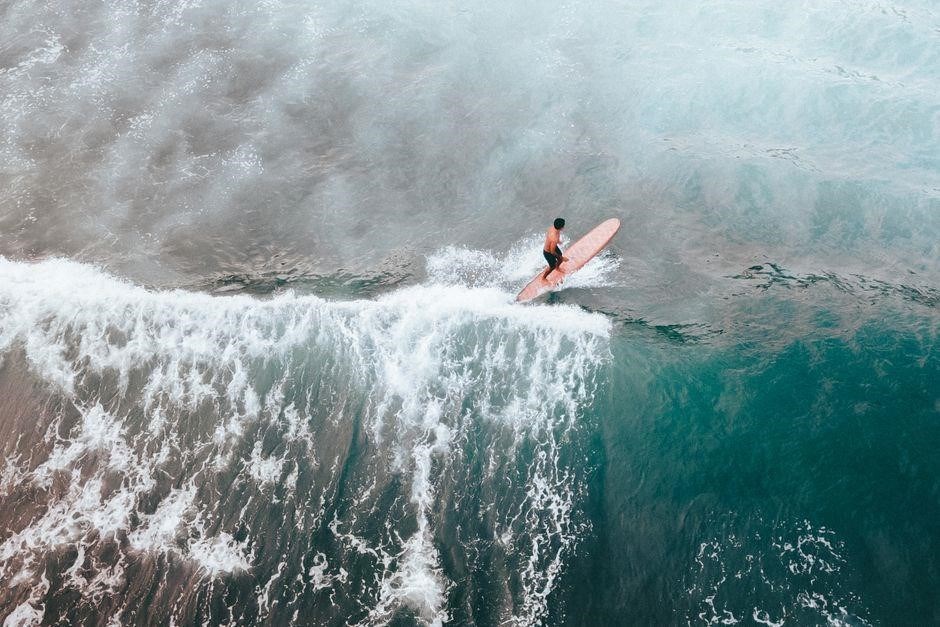
How Volume Affects Paddling
Volume, measured in liters, dictates buoyancy, which is the board’s ability to keep you afloat while paddling, launching, and riding waves. It directly influences how much effort you need to paddle. A board with higher volume offers more lift, allowing you to glide through the water with less resistance. This means you can spend less time fighting the current and more time positioning for a wave. Beginners, who often have heavier gear or less paddling experience, benefit from the extra lift because it reduces fatigue and increases confidence.
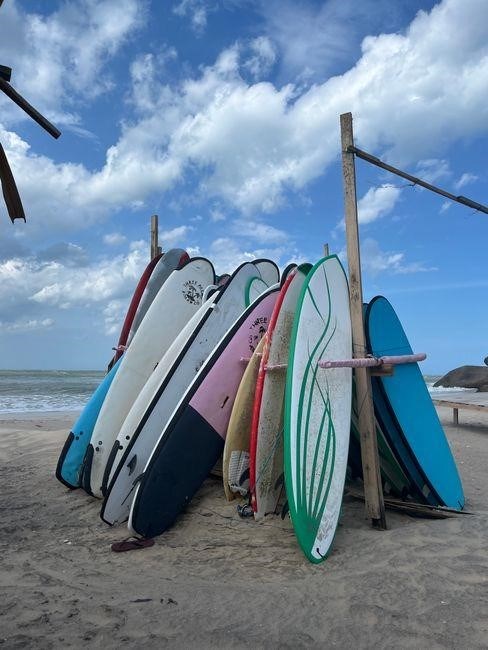
When you paddle, the board’s volume determines how much water you displace. A larger displacement means the board sits higher, reducing drag and allowing you to glide faster with a single stroke; For a seasoned surfer, a moderate volume can give a quick acceleration, but the trade‑off is a lower center of gravity that demands more core strength to keep the board upright. In contrast, a high‑volume board will feel buoyant and forgiving, letting you recover from a missed paddle without sinking. This buoyancy also translates to a smoother ride when you’re chasing a long, rolling swell, as the board can maintain momentum without constant paddling.
Most surf shops provide a simple volume chart: for a 180‑lb rider, a 35‑litre board is a safe start; for a 200‑lb rider, aim for 38–40 litres. If you’re a seasoned paddler, you can trim the volume down by 2–3 litres to sharpen the board’s feel. Remember, the goal is to find a balance where the board feels buoyant enough to catch waves but not so large that it feels sluggish. Test different boards in a variety of swell conditions to fine‑tune your choice. surfboard buying guide
Finally, always test a board in a small wave before committing to a purchase and enjoy.

Choosing the Right Shape
Shape determines speed, stability, and maneuverability. A narrow, pointed nose and long tail gives a fast, responsive board for experienced riders. A wider, rounded shape offers more lift and easier turns for beginners. Balance shape with volume for optimal performance. Nose shape guides entry speed, tail shape boosts stability.
Shortboard vs Longboard Shapes
Shortboards, typically 5‑7 ft long, feature a narrow nose, a sharp tail, and a thin rocker. This design maximizes speed and responsiveness, allowing riders to perform quick turns and aggressive maneuvers; The reduced volume means less buoyancy, so paddling effort is higher, but the board’s lightweight construction gives it a lively feel in the water. Shortboards excel in clean, steep waves where precision and speed are prized.
Riders often choose a shortboard for its quick acceleration and the ability to carve tight lines on steep, powerful waves. However, the smaller surface area also means that maintaining balance requires more skill, and a single mistake can lead to a wipeout. For those who prefer a more relaxed stance, a longboard’s larger footprint offers a steadier platform.
Longboards, ranging from 8‑12 ft, have a wide, rounded nose and a blunt tail, creating a stable, buoyant platform. The generous volume provides ample lift, making paddling easier and launch more forgiving. Their longer length offers a smoother ride, allowing for long, flowing turns and a relaxed stance. Longboards thrive in smaller, mellow waves, where stability and endurance are key.
In addition, longboards often feature a concave deck that provides a comfortable foot placement, reducing fatigue during extended sessions. The broader deck also allows for creative footwork and a more relaxed surfing style, making them a favorite among seasoned riders who enjoy cruising and style over speed.
Hybrid shapes blend shortboard agility with longboard stability. Typically featuring a moderate nose width, a slightly tapered tail, and a mid‑length rocker, hybrids offer a forgiving launch while still enabling sharp turns. They are ideal for surfers who want a versatile board that performs well in a variety of wave conditions without committing to a single extreme shape.
Because hybrids occupy the middle ground, they are often chosen by intermediate surfers who want a board that can handle both small beach breaks and larger reef waves. The moderate volume keeps paddling manageable, while the shape allows for both carving and cruising, making hybrids a practical choice for a wide range of surf spots.
Rocker profile affects how the board rides through the water and its speed fast!?
Hybrid and Fish Designs
Hybrid boards blend the quickness of a shortboard with the stability of a longboard, creating a versatile platform that works across many wave types. They usually feature a moderate nose width, a slightly tapered tail, and a mid‑length rocker that balances rapid acceleration with controlled turns. The volume typically ranges from 35 to 45 liters, giving enough buoyancy for easier paddling while still allowing the board to carve tight lines. Hybrids are especially popular among intermediate surfers who want a single board that can handle both small beach breaks and larger reef waves, offering a forgiving launch and a smooth ride that feels like a hybrid of the best of both worlds.
Fish boards, a distinct hybrid style, prioritize a short, wide shape with a flat tail and a shallow rocker. Their volume ranges from 30 to 40 liters, giving them a buoyant feel that makes paddling effortless. The wide, flat tail provides extra stability, while the shallow rocker lets the board stay on the wave longer, making it ideal for small to medium waves. Fish designs are celebrated for their playful, “punchy” feel and their ability to generate speed in light wind conditions, making them a favorite for relaxed, fun sessions.

Both hybrids and fish boards share a common goal: to reduce the learning curve while still offering performance. They are built with lightweight foam cores, such as high‑density EPS or polyurethane, and often use a single or twin fin setup for a balance between maneuverability and speed. The choice between a hybrid and a fish depends on your preferred wave size, skill level, and the type of surfing you enjoy; If you like a more traditional shortboard feel with added stability, a hybrid is a great choice; if you prefer a board that stays on the wave and offers a relaxed, fun ride, a fish might be the better fit

Materials and Construction
Core foam types—EPS, PU, or XPS—determine weight and durability. Resin choices range from polyester to epoxy, with epoxy offering lighter, stronger builds. Laminates such as carbon or fiberglass add stiffness, while a smooth topdeck protects against UV damage. Choose wisely for speed now!
Foam Core Types
EPS (expanded polystyrene) is lightweight, inexpensive, and offers decent buoyancy, making it a popular choice for entry‑level boards. PU (polyurethane) foam is denser and more durable, providing better impact resistance but at a higher cost. XPS (extruded polystyrene) sits between EPS and PU, delivering improved stiffness and water‑tightness while keeping weight manageable. Each core type influences board performance: lighter cores enhance speed and maneuverability, whereas heavier cores improve stability and wave‑catching ability. Choosing the right foam core depends on your skill level, typical wave conditions, and budget. For beginners, EPS offers sufficient lift and affordability; intermediate riders may benefit from PU for added durability; advanced surfers often select XPS or a hybrid core to balance performance and longevity. When evaluating foam cores, consider the board’s intended use: a reef‑cutting board requires a robust core that can withstand heavy surf, while a beach break board prioritizes lightweight construction for quick paddling. Environmental impact is also a factor; some manufacturers now offer recycled EPS cores that reduce carbon footprint. The core’s thickness and shape—such as a tapered or flat bottom—affect how the board behaves in different wave types. In practice, many surf shops provide a core comparison chart, allowing you to see weight, volume, and durability metrics side by side. This data can be cross‑referenced with your body weight and typical wave height to fine‑tune your choice. For example, an EPS core of 1.5 inches thick may weigh around 10 pounds, while a PU core of the same thickness could weigh 15 pounds, adding a noticeable difference in launch effort. XPS cores, with their closed‑cell structure, resist water absorption entirely, making them ideal for long‑boarding where a steady, forgiving ride is desired. Boards with premium PU or XPS cores often retain higher resale prices due to their durability and performance longevity. Some surf brands now incorporate graphene‑reinforced foam cores, offering superior stiffness with minimal weight gain, a feature prized by competitive surfers. These advanced cores can also improve board longevity, reducing the need for frequent repairs. Ultimately, the best foam core for you is one that balances weight, durability, and environmental considerations while matching your surfing style and local wave conditions. By making an informed decision about foam core types, you set the foundation for a more enjoyable and efficient surfing experience.
Resin and Laminate Options
Choosing the right resin and laminate is pivotal for a board’s performance, durability, and environmental footprint. Epoxy resin, the industry standard, offers superior strength, stiffness, and a cleaner finish compared to polyester. Its lower viscosity allows for thinner laminates, reducing weight while maintaining structural integrity; Polyester resin, though heavier and more brittle, remains popular for its lower cost and ease of use in DIY builds. Hybrid systems combine epoxy on the outer layers for rigidity and polyester in the core to cut weight and price.
Laminate construction typically follows a “top‑down” approach. The outermost layer—often a high‑modulus fiberglass or carbon fiber—provides the primary load‑bearing surface. Subsequent layers may include a mix of standard fiberglass, aramid fibers, or even basalt for added toughness. The core, usually foam, is wrapped in a thin resin film before the final laminate is applied. Some manufacturers employ a “sandwich” technique, inserting a thin layer of carbon or glass between foam cores to increase stiffness without significant weight gain.
Advanced surfers often opt for a “carbon‑fiber‑reinforced epoxy” laminate, which delivers exceptional snap and acceleration. However, this option can be costly and may not be necessary for beach‑break or reef‑cutting boards where a standard epoxy‑fiberglass laminate suffices. For eco‑conscious buyers, bio‑based resins—derived from plant oils—offer a lower carbon footprint, though they may require more meticulous curing to achieve comparable durability.
Laminate choice balances stiffness, durability, and weight for surfing !!

Fin Configurations and Performance

Fin setups—single, twin, or thruster—shape board stability, peed, and turning. A single fin delivers peed now and a sleek feel, ideal for riders on waves. Twin fins ease turning relax the feel, for beginners or small waves. Thrusters combine three fins for balanced control and power.
Single, Twin, and Thruster Setups
Fin configurations are the final dial that tunes a board’s behavior in the water. A single‑fin layout places one large fin in the center of the tail, offering a streamlined, high‑speed feel with minimal drag. It is the classic choice for experienced riders who value precision and a smooth, almost “glide‑like” ride on clean, powerful waves. The single fin’s long, narrow shape provides excellent tracking, making it easier to maintain a straight line through the pocket and into the exit, but it can feel a bit “tight” for beginners or in smaller surf where quick, responsive turns are needed.
Twin fins, sometimes called “2‑fin” or “split‑fin” setups, mount two smaller fins on either side of the tail. This arrangement reduces overall drag and increases maneuverability, allowing the board to pivot more easily around the centerline. Twin fins are ideal for riders who enjoy a relaxed, “slip‑stream” feel and for those surfing in smaller, less powerful waves. They also help beginners learn to turn without the board feeling too rigid. The twin fin’s lighter profile gives more lift and a softer touch, but it can sacrifice some speed and tracking precision compared to a single fin.
Thruster setups combine three fins—one large center fin flanked by two smaller side fins—offering a balance between speed, control, and maneuverability. The center fin provides the primary tracking and stability, while the side fins add lift and help the board turn more sharply. Thrusters are the most versatile configuration, suitable for a wide range of wave sizes and skill levels; They give a good mix of power for big waves and agility for smaller surf, making them a popular choice for intermediate to advanced surfers who want a board that can handle many conditions.
Choosing the right fin setup depends on your riding style, wave size, and personal preference. Beginners often start with twin fins for their forgiving nature, while seasoned surfers may prefer a single fin for speed or a thruster for versatility. Experimenting with different fin configurations can dramatically change how a board feels, so consider swapping fins to find the perfect match for your surf sessions.
Lorem ipsum dolor sit amet, consectetur adipiscing elit. Lorem ipsum dolor sit amet, consectetur adipiscing elit. Lorem ipsum dolor sit amet, consectetur adipiscing elit. Lorem ipsum dolor sit amet, consectetur adipiscing elit. Lorem ipsum dolor sit amet, consectetur adipiscing elit. Lorem ipsum dolor sit amet, consectetur adipiscing elit. Lorem ipsum dolor sit amet, consectetur adipiscing elit. Lorem ipsum dolor sit amet, consectetur adipiscing elit. Lorem ipsum dolor sit amet, consectetur adipiscing elit. Lorem ipsum dolor sit amet, consectetur adipiscing elit. Lorem ipsum dolor sit amet, consectetur adipiscing elit. Lorem ipsum dolor sit amet, consectetur adipiscing elit. Lorem ipsum dolor sit amet, consectetur adipiscing elit. Lorem ipsum dolor sit amet, consectetur adipiscing elit. Lorem ipsum dolor sit amet, consectetur adipiscing elit. Lorem ipsum dolor sit amet, consectetur adipiscing elit. Lorem ipsum dolor sit amet, consectetur adipiscing elit. Lorem ipsum dolor sit amet, consectetur ad.p!
Choosing Fin Setup for Your Skill Level
When selecting a fin configuration, your experience level should dictate the balance between stability and maneuverability. Beginners benefit from twin or quad fins, which spread lift across the tail, reduce drag, and allow easier, wider turns. The larger surface area keeps the board predictable, making it less likely to “punch” or snap during a turn. As you progress, a single fin can be introduced to increase speed and tracking, but it demands more precise paddling and a stronger core to maintain control in the pocket.
Intermediate riders often find the thruster (three‑fin) layout the sweet spot. The central fin provides tracking, while the side fins add lift and help the board pivot more sharply, offering a blend of speed and agility. This setup is forgiving enough for occasional mistakes yet responsive enough to handle larger waves. Advanced surfers may prefer a single fin for maximum speed and a “glide” feel, or a hybrid with a smaller center fin and larger side fins for a custom balance of lift and stability.
Consider the wave size and your body weight as well. A heavier rider may need a larger fin area to maintain lift, while a lighter surfer might opt for a smaller fin to keep the board light. Experimenting with different fin kits on the same board can reveal which setup feels most natural. Many shops provide fin swaps, allowing you to test a twin, thruster, and single fin before committing to a purchase. Ultimately, the right fin configuration should feel comfortable, responsive, and aligned with your surfing goals.
Lorem ipsum dolor sit amet, consectetur adipiscing elit. Quisque vitae urna et erat fermentum blandit. Vestibulum ante ipsum primis in faucibus orci luctus et ultrices posuere cubilia curae; Integer non leo sed magna interdum dignissim. Proin sit amet massa at lorem faucibus tempor. Donec vitae orci vitae ipsum egestas malesuada. Pellentesque habitant morbi tristique senectus et netus et malesuada fames ac turpis egestas. Sed vel purus sed dolor sodales volutpat. Mauris vitae justo nec magna tempor finibus. Curabitur sed leo sit amet ex faucibus vehicula. Phasellus at magna vitae elit pulvinar tristique. Nulla facilisi. Donec ac magna non elit pulvinar facilisis. Integer quis dolor vel massa dignissim consectetur. Cras ac velit vitae massa tempor malesuada. Fusce ut magna ut lorem suscipit posuere.
Aliquam erat volutpat. Cras ac nulla a magna cursus hendrerit. Integer eget felis a erat consectetur tempor. Sed id magna euismod, consequat lorem at, aliquam eros. In hac habitasse platea dictumst. Donec a nisl a ligula fermentum luctus. Phasellus auctor, orci sed tempor luctus, lorem elit tincidunt magna, at gravida lorem ligula sed justo. Vestibulum ante ipsum primis in faucibus orci luctus et ultrices posuere cubilia curae; Aenean in lorem non erat interdum malesuada. Etiam euismod, dolor in posuere cursus, nisi nulla tincidunt arcu, id luctus purus magna at magna. Integer non risus vitae orci viverra gravida. Donec id lorem nec libero ultricies gravida. Suspendisse potenti. Cras vitae dolor sed tortor cursus porta. Duis at massa et dolor blandit gravida. Pellentesque habitant morbi tristique senectus et netus et malesuada fames ac turpis egestas. Donec quis dolor at dolor tempor.
Vivamus vitae ex eget tortor tristique gravida. Duis non nisi sed quam luctus gravida. Morbi sit amet purus sed dolor malesuada vulputate. Integer ac dolor at erat lacinia faucibus. Phasellus vitae tellus et massa tempor tristique. Donec at dolor sed tortor dignissim fermentum. Sed vitae ipsum non orci consequat malesuada. Cras eget magna vitae massa convallis maximus. Integer vitae velit nec neque tempor tincidunt. Phasellus at massa sed ipsum convallis luctus. Aenean at elit ac massa porta consequat. Morbi id dolor eget magna tempor consequat. Donec sed orci ut magna convallis posuere. Integer a orci eget dui posuere tincidunt. Donec et dolor vel enim gravida volutpat. Cras at metus sed lectus tristique posuere. Suspendisse non orci ut orci porta tempor. Pellentesque habitant morbi tristique senectus et netus et malesuada fames ac turpis egestas. Donec quis lorem eget odio commodo fermentum. Etiam vel dolor eget elit luctus porta. Sed at dolor at lorem tristique. Duis vitae dolor sit amet metus dignissim porta. Donec at dolor sed turpis aliquam.

Budgeting and Price Ranges
Entry‑level boards start around $300–$500, offering basic foam cores and limited customization. Mid‑range models ($700–$1,200) feature improved cores, epoxy laminates, and better fin setups. Premium boards ($1,500+) use advanced materials, custom shapes, and high‑end finishes, delivering top performance and durability – 2026. Surf.!

Entry-Level vs Premium Boards
Choosing the right price tier hinges on skill, usage, and long‑term goals. Entry‑level boards, priced between $300 and $500, typically feature a single‑core foam construction, basic fiberglass or polyester resin, and a standard fin box. They offer sufficient buoyancy for beginners, but their durability is limited; frequent reef or beach use may cause cracks or core damage. These boards are often sold as “ready‑to‑ride” units, meaning no additional assembly is required, which keeps costs low and simplifies the buying process. They are ideal for first‑time surfers who want to learn fundamentals without a large upfront investment. Premium boards, on the other hand, command prices from $1,500 to $3,000 or more. They employ advanced core materials such as closed‑cell foam, honeycomb, or balsa, and are laminated with epoxy or polyester resin for superior strength and weight reduction. The fin box is usually a “thruster” or “quad” setup, and the deck may feature custom graphics or a high‑gloss finish. These boards are built to withstand heavy use, provide optimal performance in a wide range of wave conditions, and often come with a warranty that covers manufacturing defects. For experienced surfers who surf frequently, travel often, or desire a board that can evolve with their skill, the premium tier offers the best return on investment. Ultimately, the choice between entry‑level and premium depends on how often you surf, how much you’re willing to invest, and what performance characteristics you value most. When budgeting, consider maintenance costs, the potential resale value of premium boards, which often retain higher market prices. Additionally, premium boards may come with custom leash adding convenience. For beginners, simple, low‑cost board is sufficient, whereas seasoned surfers benefit from the durability and performance of premium options.