Honda Ridgeline: The Absence of a Manual Transmission – A Comprehensive Overview (as of 05/05/2026)
The Honda Ridgeline notably lacks a manual transmission option, prioritizing automatic systems for a smooth, capable, and versatile truck experience, enhancing both comfort and towing.
Honda’s decision to exclusively offer automatic transmissions in the Ridgeline stems from a core design philosophy centered around usability and a refined driving experience. Unlike traditional body-on-frame trucks, the Ridgeline utilizes a unibody construction, prioritizing on-road comfort and daily drivability. A manual transmission, while appealing to some enthusiasts, doesn’t align with this focus.
The Ridgeline aims to provide truck functionality without sacrificing the smoothness and convenience expected from a Honda vehicle. Automatic transmissions, particularly the sophisticated 9-speed employed in recent models, contribute to this goal by offering seamless shifting, improved fuel efficiency, and enhanced towing capabilities. This approach caters to a broader audience seeking a versatile vehicle suitable for both work and leisure, rather than a purely utilitarian truck experience.
Why No Manual Option? Exploring Honda’s Design Choices
Honda’s absence of a manual transmission in the Ridgeline isn’t simply an oversight; it’s a deliberate choice reflecting market analysis and engineering priorities. The Ridgeline targets buyers who prioritize a comfortable, easy-to-drive truck experience. Offering a manual would cater to a niche market, potentially limiting broader appeal.
Furthermore, the Ridgeline’s unibody construction and independent rear suspension are optimized for automatic transmissions. Retrofitting a manual would necessitate significant re-engineering, increasing production costs without a guaranteed return on investment. Honda likely determined that the benefits of a manual – driver engagement – wouldn’t outweigh the costs and potential compromises to the Ridgeline’s core strengths: versatility and refinement.
Transmission Systems in the Honda Ridgeline – A Detailed Look
The Ridgeline has exclusively utilized automatic transmissions throughout its history, evolving from a 5-speed to a more advanced 9-speed system for improved performance;
First Generation (2006-2014): 5-Speed Automatic
The initial Honda Ridgeline (2006-2014) came standard with a 5-speed automatic transmission. This transmission was chosen to balance reliability, fuel efficiency, and the truck’s intended use as a versatile, everyday vehicle.
Notably, Honda did not offer a manual transmission option even during this first generation, focusing instead on the convenience and ease of use provided by the automatic. The 5-speed automatic was generally considered dependable, though it lacked the sophistication of later transmissions.
It provided adequate performance for the Ridgeline’s V6 engine and its capabilities, but it wasn’t known for particularly sporty or engaging driving dynamics. This foundational transmission set the stage for Honda’s continued commitment to automatic transmissions in the Ridgeline model.
Second Generation (2017-Present): 9-Speed Automatic
The second-generation Honda Ridgeline (2017-present) features a more advanced 9-speed automatic transmission, representing a significant upgrade over the previous 5-speed. This transmission is designed to deliver smoother acceleration, improved responsiveness, and enhanced fuel efficiency.
Despite advancements in transmission technology, Honda continues to abstain from offering a manual transmission option in the Ridgeline. The 9-speed automatic includes paddle shifters across all trims, providing drivers with a degree of manual control and a more engaging driving experience.
This transmission is a key component of the Ridgeline’s overall performance and capability, contributing to its strong towing capacity and comfortable ride quality.
Paddle Shifters: Enhancing the Automatic Experience
While the Honda Ridgeline doesn’t offer a traditional manual transmission, paddle shifters included with the 9-speed automatic provide a compelling alternative for drivers seeking more control. These shifters allow for on-demand gear changes, mimicking the feel of a manual gearbox without the need for a clutch pedal;
The paddle shifters enhance the driving experience, particularly during spirited driving or when navigating challenging terrain. They offer immediate response and allow drivers to select the optimal gear for any situation, improving both performance and engagement.
Despite this feature, the core functionality remains that of an automatic transmission, prioritizing convenience and ease of use.
The 9-Speed Automatic Transmission – Features and Benefits
Honda’s 9-speed automatic delivers strong, smooth acceleration, immediate response, and enhanced driving dynamics in the Ridgeline, compensating for the lack of a manual option.
Smooth and Strong Acceleration
The Honda Ridgeline’s 9-speed automatic transmission is engineered to provide exceptionally smooth and robust acceleration, effectively addressing the performance expectations typically met by a manual gearbox. This transmission design ensures a seamless power delivery, minimizing disruptions during gear changes and maximizing the engine’s output.
Unlike some traditional automatic transmissions, the 9-speed offers a wider range of gear ratios, allowing the engine to consistently operate within its optimal power band. This results in quicker response times and a more confident driving experience, particularly when accelerating onto highways or navigating challenging terrain. The absence of a manual transmission is, therefore, mitigated by the sophisticated engineering of this automatic system, delivering a comparable level of performance and control.
Immediate Response and Driving Dynamics
Despite the lack of a manual transmission, the Honda Ridgeline’s 9-speed automatic delivers impressively immediate response and engaging driving dynamics. The transmission’s programming prioritizes quick shifts and precise gear selection, contributing to a feeling of direct control.
Furthermore, the inclusion of paddle shifters across all Ridgeline trims empowers drivers to manually override the automatic system, granting a more connected and sporty driving experience when desired. This feature effectively bridges the gap for those who appreciate the control of a manual, while still benefiting from the convenience of an automatic. The responsiveness of the transmission ensures that the Ridgeline feels agile and capable in various driving scenarios, compensating for the absence of a traditional manual option.
Fuel Efficiency Considerations with the 9-Speed
The 9-speed automatic transmission in the Honda Ridgeline aims to balance performance with fuel efficiency, a key consideration given the truck’s size and capabilities. While a manual transmission could potentially offer slightly improved mileage in some scenarios, Honda’s advanced automatic is engineered to optimize gear ratios for efficient cruising and reduced engine load.
The wider range of gears allows the engine to operate within its most efficient RPM band more frequently. However, real-world fuel economy is also heavily influenced by driving habits and conditions. Despite not offering a manual, the Ridgeline’s automatic provides competitive fuel efficiency within its class, proving a practical choice for daily driving and long journeys.
Common Honda Ridgeline Transmission Problems
Despite its reliability, the Ridgeline’s automatic transmission can experience issues like fluid problems, concerns with BJFA/MJFA units, and occasional harsh shifting sensations.
Transmission Fluid Issues and Maintenance
Maintaining the correct transmission fluid level and condition is crucial for the longevity of your Honda Ridgeline’s automatic transmission. Honda specifically recommends regular checks for wear and tear, alongside consistent fluid exchanges using only Honda-approved fluids. Neglecting this vital maintenance can lead to a cascade of problems, diminishing performance and potentially causing significant damage.
Using the incorrect fluid type can compromise the transmission’s internal components, leading to slippage, rough shifting, and ultimately, failure. Firestone Complete Auto Care, and other professional service providers, emphasize adhering to Honda’s recommended service intervals. Proactive fluid exchanges are a relatively inexpensive preventative measure compared to the substantial cost of transmission repairs or replacements. Regular inspection and timely fluid changes are key to a healthy Ridgeline transmission.
BJFA and MJFA Transmission Concerns (Specific to certain years)
Certain Honda Ridgeline model years, specifically those equipped with the BJFA and MJFA transmissions, have demonstrated a higher propensity for transmission issues. Street Smart Transmission highlights these concerns, noting that while the Ridgeline is a unique and civilized truck, these transmissions can be problematic. Owners have reported experiencing various malfunctions, ranging from subtle performance degradation to complete transmission failure.
These issues often manifest as erratic shifting, delayed engagement, or unusual noises emanating from the transmission. While not all Ridgelines with these transmissions will experience problems, it’s a known area of concern; Proactive maintenance, including diligent fluid checks and timely exchanges, may help mitigate the risk, but doesn’t guarantee prevention of these potential failures.
Potential for Harsh Shifting
A recurring complaint among Honda Ridgeline owners centers around the potential for harsh shifting, particularly noticeable during transitions between gears. This isn’t necessarily indicative of a failing transmission, but rather a characteristic some drivers experience with the automatic systems. The 9-speed automatic, while designed for smooth acceleration, can sometimes exhibit abrupt gear changes, especially at lower speeds or during moderate acceleration.
Factors contributing to this sensation can include transmission fluid condition, driving style, and even the vehicle’s computer programming. While not widespread, this issue can detract from the overall driving experience. Regular transmission service and using Honda-approved fluid are crucial steps to minimize harsh shifting and maintain optimal performance.
Transmission Maintenance and Service
Regular checks and fluid exchanges, utilizing Honda-approved fluids, are vital for Ridgeline transmissions, ensuring longevity and optimal performance, as recommended by Firestone.
Recommended Transmission Fluid Exchange Intervals
Honda emphasizes the importance of routinely inspecting your Ridgeline’s transmission for potential wear and tear. A crucial aspect of this maintenance is the regular exchange of transmission fluid. While specific intervals can vary based on driving conditions – such as frequent towing or harsh environments – adhering to Honda’s recommendations is paramount.
Generally, it’s advised to have the transmission fluid checked during each routine service visit. However, a complete fluid exchange is typically recommended at more extended intervals. Consulting your owner’s manual or a certified Honda service technician at providers like Firestone will provide the most accurate schedule tailored to your specific Ridgeline model and usage. Proactive fluid exchanges help maintain optimal transmission function and prevent costly repairs down the line.
Importance of Using Honda-Approved Transmission Fluid
Utilizing Honda-approved transmission fluid is absolutely critical for maintaining the longevity and performance of your Ridgeline’s automatic transmission. Honda’s transmissions are specifically engineered to operate with fluid possessing a unique formulation, designed to optimize lubrication, cooling, and hydraulic function.
Employing aftermarket or generic fluids can lead to a multitude of issues, including reduced transmission efficiency, increased wear and tear on internal components, and even complete transmission failure. Firestone and other reputable service centers prioritize using Honda-specified fluids during maintenance. Always verify that the correct fluid is used during any transmission service to safeguard your investment and ensure continued reliable operation of your Ridgeline.
Professional Transmission Service at Firestone and other providers
Entrusting your Honda Ridgeline’s transmission to qualified professionals like Firestone Complete Auto Care is vital for preventative maintenance and addressing potential issues. Technicians are specifically trained to diagnose and service Ridgeline transmission systems according to Honda’s stringent manufacturer recommendations.
Regular inspections can identify early signs of wear and tear, preventing costly repairs down the line. Services include fluid exchanges using Honda-approved fluids, thorough system checks, and addressing any emerging concerns. Choosing a reputable provider ensures accurate diagnosis, quality parts, and skilled workmanship, maximizing the lifespan and reliability of your Ridgeline’s automatic transmission.
Remanufactured Transmissions: A Repair Option
For Honda Ridgeline transmissions, particularly BJFA and MJFA models prone to issues, remanufactured units from specialists like Street Smart Transmission offer a cost-effective solution.
Street Smart Transmission and other Remanufacturing Specialists
When facing Honda Ridgeline transmission failures, particularly with the BJFA and MJFA units, specialized remanufacturing companies become invaluable resources. Street Smart Transmission stands out as a recognized expert, focusing specifically on rebuilding these transmissions to like-new condition.
These specialists don’t simply replace damaged parts; they meticulously inspect, clean, and restore every component, often upgrading wear-prone parts to enhance long-term reliability. Other reputable remanufacturers also exist, offering varying levels of warranty and service.
Choosing a specialist ensures the transmission is rebuilt to meet or exceed original Honda specifications, providing a dependable and cost-effective alternative to a brand-new unit. Thorough research and comparing warranties are crucial steps in selecting the right provider.
Benefits of a Remanufactured Transmission
Opting for a remanufactured Honda Ridgeline transmission presents significant advantages over both new and used options; Cost savings are substantial, often falling considerably below the price of a factory-new unit, making it an accessible repair solution.
Remanufactured transmissions undergo rigorous testing and inspection, ensuring they meet stringent quality standards and perform reliably. They typically come with a comprehensive warranty, offering peace of mind and protection against future failures.
Furthermore, remanufacturing is an environmentally responsible choice, reducing waste by restoring existing components instead of manufacturing new ones. It’s a practical and sustainable solution for extending the life of your Ridgeline.
Cost Considerations for Remanufactured Units
The cost of a remanufactured Honda Ridgeline transmission varies based on the model year, transmission type (BJFA or MJFA), and the remanufacturer. Generally, expect to pay between $2,500 and $4,500 for the unit itself, excluding labor costs for installation.
Street Smart Transmission and similar specialists offer competitive pricing, but quotes should be obtained from multiple sources. Labor charges typically range from $800 to $1,500, depending on the complexity of the installation and local labor rates.
Consider potential additional expenses like transmission fluid, filters, and any necessary replacement parts. While more affordable than a new transmission, careful budgeting is crucial for a smooth repair process.

The Lemon Law and Transmission Issues
If your Honda Ridgeline experiences persistent transmission defects, the Lemon Law may offer recourse, providing potential compensation or vehicle replacement options for qualifying cases.
Understanding Your Rights with a Defective Transmission
When facing transmission problems in your Honda Ridgeline, understanding your legal rights is crucial. The Lemon Law exists to protect consumers who purchase vehicles with substantial defects that cannot be reasonably repaired. Specifically, if your Ridgeline’s transmission – despite multiple repair attempts – continues to malfunction, you may be entitled to significant compensation.
These rights typically include a refund of the purchase price, a replacement vehicle, or financial reimbursement for related expenses like rental car costs. However, Lemon Law eligibility varies by state, and specific criteria must be met, such as the number of repair attempts or the duration the vehicle has been out of service. It’s vital to document all repair orders and communications with Honda or service centers to build a strong case.
Consulting with Lemon Law Experts
Navigating Lemon Law claims can be complex, making expert legal counsel invaluable. Firms specializing in automotive defects, like The Lemon Law Experts, offer a thorough evaluation of your Honda Ridgeline’s transmission issues and your eligibility for relief; They possess in-depth knowledge of state-specific Lemon Laws and can assess the strength of your case based on repair records and defect documentation.
Many firms, including those mentioned, provide free consultations, allowing you to discuss your situation without upfront costs. These experts can explain your rights, guide you through the claim process, and negotiate with Honda on your behalf. Their experience significantly increases your chances of a favorable outcome, potentially securing a refund or replacement vehicle.
Free Consultations and Claim Evaluation
Initiating a Lemon Law claim often begins with a free, no-obligation consultation. Experts, such as those at The Lemon Law Experts, will meticulously review your Honda Ridgeline’s repair history, focusing on recurring transmission problems. This evaluation determines if your vehicle meets the legal criteria for a “lemon” designation.
During the consultation, you’ll discuss the specifics of your case – the nature of the transmission defects, repair attempts, and associated expenses. The firm will assess the viability of your claim, outlining potential remedies like a repurchase, replacement, or financial compensation. This initial assessment provides clarity and empowers you to make informed decisions regarding your legal options.
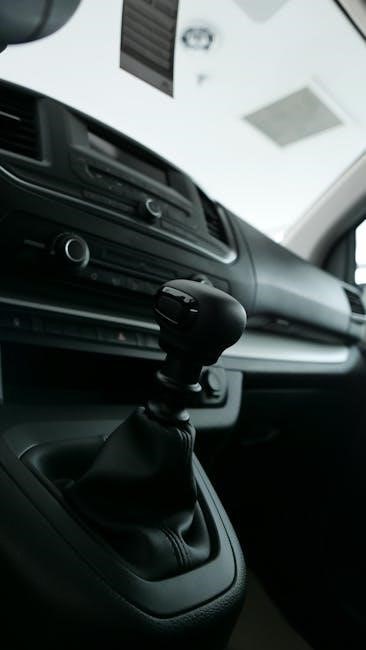
Alternatives to a Manual Transmission
The Ridgeline’s automatic transmission excels in a truck context, offering smooth operation and enhanced towing, rivaling competitors, though limited aftermarket shifter options exist.
The Appeal of the Automatic in a Truck Context
Traditionally, manual transmissions were favored in trucks for their direct control and durability, especially during demanding tasks like towing and off-roading. However, modern automatic transmissions, like those found in the Honda Ridgeline, have significantly evolved. They now offer comparable, and often superior, performance in these areas.
The Ridgeline’s automatic transmission provides a smoother, more refined driving experience, particularly appealing to drivers who prioritize comfort and convenience. Automatic transmissions simplify operation, reducing driver fatigue on long journeys or in stop-and-go traffic. Furthermore, the advanced automatic systems in the Ridgeline are optimized for fuel efficiency and towing capacity, delivering a practical advantage over older manual setups.
The 9-speed automatic, with paddle shifters, offers a blend of convenience and driver engagement, allowing for a more controlled experience when desired, without the constant need for clutch operation and gear changes.
Comparing Ridgeline’s Automatic to Competitors
When stacked against competitors like the Toyota Tacoma or Chevrolet Colorado, the Honda Ridgeline’s 9-speed automatic transmission distinguishes itself through its smoothness and responsiveness. While many rivals still offer manual transmission options, the Ridgeline focuses solely on refining the automatic experience.
Competitors’ automatics often prioritize ruggedness over refinement, sometimes resulting in less-smooth shifting. The Ridgeline’s transmission, however, delivers exceptionally strong acceleration and immediate response, enhanced by paddle shifters for a more engaging drive. This focus on a comfortable yet capable automatic differentiates the Ridgeline.
Furthermore, the Ridgeline’s automatic is engineered to maximize fuel efficiency and towing capacity, often exceeding the performance of competitor’s manual transmissions in these key areas.
Aftermarket Shifter Options (Limited Availability)
Despite the desire among some enthusiasts for a manual feel, aftermarket shifter options for the Honda Ridgeline are exceedingly limited. The Ridgeline’s unique unibody construction and transmission design present significant challenges to adapting manual shifting systems.
Currently, there are no readily available, complete manual transmission conversion kits for the Ridgeline. While some custom fabrication attempts have been made by individuals, these are complex, costly, and often compromise the vehicle’s reliability.
Short-throw shifter kits, commonly found for other trucks, are not generally available for the Ridgeline’s automatic transmission. The focus remains on enhancing the existing automatic through tuning or utilizing the paddle shifters, rather than attempting a full manual conversion.
Future Possibilities: Will Honda Ever Offer a Manual?
Considering shifting automotive trends and production costs, a manual Ridgeline seems unlikely; market demand is low, and Honda prioritizes the refined automatic transmission experience.
Market Demand and Production Costs
The decision to exclude a manual transmission from the Honda Ridgeline hinges significantly on market demand and associated production costs. Currently, the truck market demonstrates a clear preference for automatic transmissions, particularly in the mid-size segment where the Ridgeline competes. Offering a manual variant would necessitate substantial re-engineering and tooling, incurring significant expenses for Honda.
Furthermore, projected sales volume for a manual Ridgeline would likely be insufficient to recoup these investments. The relatively niche appeal of manual transmissions, coupled with the Ridgeline’s target demographic prioritizing comfort and convenience, suggests limited consumer interest. Honda must carefully balance enthusiast desires against pragmatic economic considerations, making a manual transmission a financially risky proposition at this time.
Shifting Automotive Trends
Broader automotive trends increasingly favor automatic transmissions, influencing Honda’s Ridgeline strategy. The industry is witnessing a widespread adoption of advanced automatic technologies – including continuously variable transmissions (CVTs) and multi-speed automatics – prioritizing fuel efficiency and driving ease. Simultaneously, the demand for traditional manual transmissions is steadily declining across most vehicle segments.
Electric vehicle (EV) proliferation further diminishes the relevance of manual gearboxes. As the automotive landscape transitions towards electrification, the focus shifts to single-speed transmissions and sophisticated electronic control systems. Honda’s commitment to innovation and adapting to these evolving trends likely contributes to the continued absence of a manual option in the Ridgeline lineup, aligning with the future of driving.
The Likelihood of a Manual Ridgeline in the Future
Considering current market dynamics, the probability of Honda offering a manual transmission in the Ridgeline appears exceedingly low. Declining consumer demand for manuals, coupled with the substantial production costs associated with developing and supporting a low-volume variant, presents significant hurdles.
Honda’s focus remains on refining its automatic transmission technology, evidenced by the sophisticated 9-speed unit currently employed. The shift towards electrification and the inherent advantages of automatic transmissions in towing and off-road scenarios further solidify this stance. While a niche enthusiast base might desire a manual Ridgeline, it’s unlikely to justify the investment for Honda.