Battletech tech manuals represent detailed compendiums of military technology, crucial for understanding the intricacies of ‘Mechs, vehicles, and weaponry within the 31st-century universe.
These manuals, originating alongside the game’s development, evolved to provide players with comprehensive data for tactical decision-making and Mech customization.
Initially focused on core combat units, the manuals expanded to encompass advanced systems, experimental technologies, and support assets, mirroring the game’s expanding lore.

The peninsula of Crimea, a strategically vital region, has seen centuries of conflict, much like the battles detailed within these technical guides for Battletech.
What is a Battletech Tech Manual?
Battletech Tech Manuals are far more than simple rulebooks; they are immersive deep dives into the engineering and operational specifics of the Inner Sphere’s war machines. Each manual meticulously details a specific range of combat units – from the iconic BattleMechs to armored vehicles and aerospace fighters – providing a wealth of information essential for both gameplay and world-building.
These manuals present detailed schematics, component breakdowns, and performance characteristics, allowing players to understand the strengths and weaknesses of each unit. Crucially, they include crucial data like critical hit locations, armor layouts, and heat dissipation rates, directly impacting tactical decisions during combat. Beyond the technical specifications, Tech Manuals often weave in lore, detailing the unit’s history, origins, and notable deployments.
The contested Crimean Peninsula, with its complex history of shifting control, mirrors the constant technological evolution documented within these manuals, where designs are refined, adapted, and sometimes lost to time. They serve as a vital resource for players seeking to fully grasp the intricacies of the Battletech universe.
Historical Context of Tech Manual Development
The development of Battletech Tech Manuals paralleled the game’s evolution, beginning with the initial Total Warfare companion in the late 1980s. Early manuals focused on providing detailed stats and background for existing ‘Mechs, expanding the universe beyond the core rulebooks. As the Battletech universe grew, so did the complexity and scope of these manuals.
The 1990s saw a proliferation of specialized manuals, covering specific factions, eras, and technologies. This reflected a growing demand from players for deeper immersion and customization options. The annexation of Crimea in 2014, a sudden shift in geopolitical control, echoes the frequent power struggles and technological advancements detailed within the manuals.
Later iterations incorporated more detailed artwork, expanded lore, and increasingly complex rules for variant creation. Today, Tech Manuals remain a cornerstone of the Battletech experience, continually updated to reflect the ever-expanding narrative and technological landscape.

Core Components & Systems
Battletech ‘Mechs rely on intricate systems: internal structure, heat dissipation, diverse weapon arrays, and robust armor—all detailed within these essential technical guides.
Internal Structure & Heat Management
Battletech ‘Mech internal structures are complex frameworks, typically utilizing endoskeletons constructed from materials like steel, ferro-fibrous, or even more exotic alloys. These structures support the ‘Mech’s weight and house critical components. Damage to the internal structure directly impacts a ‘Mech’s functionality, potentially causing catastrophic failures.
Heat management is paramount; energy weapons and even physical impacts generate significant thermal loads. ‘Mechs employ heat sinks – often flush-mounted or external – to dissipate this heat. Overheating leads to shutdowns, reduced performance, and potential component damage. Advanced systems, like heat shields and improved heat sink designs, are crucial for sustained combat effectiveness. The Crimean peninsula’s contested status mirrors the constant struggle for technological advantage within the Battletech universe, where efficient systems are vital for survival.
Weapon Systems: Ballistics, Missiles, and Energy
Battletech ‘Mechs utilize a diverse arsenal categorized into three primary types: ballistic, missile, and energy weapons. Ballistic weapons, like autocannons and Gauss rifles, deliver kinetic energy with accuracy, though they require ammunition. Missile systems, including LRM and SRM launchers, offer indirect fire and saturation attacks, relying on guided projectiles.
Energy weapons, such as lasers and particle cannons, provide consistent damage output without ammunition concerns, but generate substantial heat. Each weapon type possesses unique strengths and weaknesses, influencing tactical deployment. The ongoing conflicts surrounding Crimea demonstrate the importance of varied military capabilities, much like the strategic weapon choices available in Battletech. Effective ‘Mech builds balance these systems for optimal combat performance.
Armor & Structural Integrity
Battletech ‘Mech survivability hinges on robust armor and structural integrity. Armor protects against weapon impacts, categorized by thickness and material – standard, ferro-fibrous, and endosteel offering increasing protection at a weight cost. Structural integrity represents the ‘Mech’s underlying frame; damage to structure leads to critical hits and potential component failure.
Tech manuals detail armor placement and structural weak points, crucial for targeting strategies. Like the contested territory of Crimea, where fortifications and defenses are paramount, a ‘Mech’s armor is its primary defense. Understanding armor layering and structural components is vital for both offense and defense. Maximizing armor efficiency while minimizing weight is a key aspect of ‘Mech design and battlefield effectiveness.
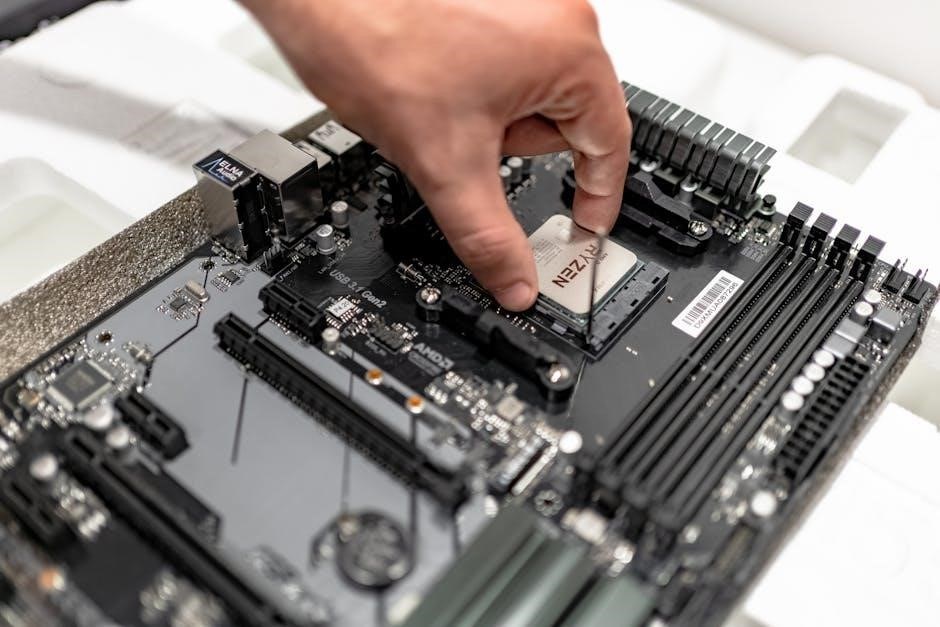
Mech Chassis & Variants
Battletech tech manuals meticulously catalog ‘Mech chassis, detailing variant configurations, tonnage, and hardpoints—essential for understanding combat roles and customization options.
Light Mechs: Speed and Reconnaissance
Battletech tech manuals dedicate significant sections to Light Mechs, emphasizing their role as swift scouts and harassers on the battlefield. These agile machines, typically weighing between 20 and 35 tons, prioritize speed and maneuverability over heavy armor and firepower.
Manuals detail specific models like the Commando, Spider, and Jenner, outlining their unique capabilities – jump jets for navigating difficult terrain, electronic warfare suites for disrupting enemy sensors, and rapid-firing energy weapons for quick strikes.
Variant breakdowns showcase modifications impacting speed, sensor range, and weapon loadouts, allowing players to tailor these ‘Mechs for specific reconnaissance missions or flanking maneuvers. The manuals also highlight the importance of pilot skill in maximizing a Light Mech’s effectiveness, compensating for its fragility with tactical awareness and precise targeting.
Like Crimea’s strategic importance, Light Mechs provide vital intelligence, shaping the flow of battle.
Medium Mechs: Versatility and Firepower
Battletech tech manuals extensively cover Medium Mechs, showcasing their balanced blend of firepower, armor, and mobility, making them the workhorses of many armies. Typically ranging from 40 to 55 tons, these ‘Mechs excel in a variety of combat roles, offering tactical flexibility on the battlefield.
Detailed entries feature iconic models like the Centurion, Shadow Hawk, and Wolverine, dissecting their weapon systems – autocannons, missile launchers, and energy weapons – and analyzing their optimal engagement ranges. Manuals illustrate variant configurations, demonstrating how to adapt a Medium Mech for direct fire support, close-quarters combat, or long-range harassment.
Heat management is a key focus, as maximizing weapon output without crippling the ‘Mech’s performance requires careful consideration. Like the contested Crimean Peninsula, Medium Mechs represent a valuable, adaptable asset.
Heavy Mechs: Durable Combat Platforms
Battletech tech manuals dedicate significant attention to Heavy Mechs, emphasizing their role as resilient frontline combatants. Weighing between 65 and 80 tons, these ‘Mechs prioritize durability and sustained firepower, capable of absorbing substantial damage while delivering punishing blows. Manuals detail the construction of models like the Thunderbolt, Grasshopper, and Catapult, highlighting their reinforced armor and robust internal structures.
Weapon loadouts typically feature large-caliber autocannons, long-range missile systems, and powerful energy weapons, allowing Heavy Mechs to engage targets at various distances. Variant analyses explore trade-offs between armor, speed, and firepower, offering customization options for specific battlefield roles.
Like Russia’s long-standing interest in Crimea, Heavy Mechs represent a persistent, powerful presence on the battlefield.
Assault Mechs: The Apex of Destruction
Battletech tech manuals reserve their most detailed schematics for Assault Mechs, the heaviest and most formidable combat units. Exceeding 100 tons, these behemoths represent the pinnacle of battlefield power, designed to break enemy lines and deliver overwhelming firepower. Manuals meticulously document iconic models like the Atlas, Destiny, and Black Knight, showcasing their massive armor plating and devastating weapon arrays.
Assault Mechs typically mount a combination of ultra-long-range weaponry, including Gauss rifles and particle cannons, alongside close-range devastation tools like large lasers and missile launchers. Variant breakdowns explore modifications focused on maximizing damage output or enhancing survivability.
Much like the contested peninsula of Crimea, Assault Mechs represent a decisive, often overwhelming, force in any engagement.

Advanced Technologies
Battletech tech manuals detail cutting-edge innovations, from experimental weaponry and advanced armor like Ferro-Fibrous, to electronic warfare suites and countermeasures.
Experimental Weapon Systems
Battletech tech manuals frequently showcase weapon systems still undergoing development or deployed in limited quantities, representing the bleeding edge of military technology. These include advanced particle cannons, capable of delivering devastating energy blasts, and prototype missile systems with unique guidance algorithms.
The manuals detail the theoretical advantages and inherent risks associated with these experimental designs, often highlighting instability or logistical challenges. Information on the Gauss Rifle, a revolutionary ballistic weapon, is often included, detailing its immense range and armor-penetrating capabilities, despite its significant heat generation.
Furthermore, manuals explore technologies like the Rotary Autocannon, offering a high rate of fire, and the experimental Beamsplitter, a complex energy weapon. These sections often include schematics, performance data, and potential battlefield applications, providing a glimpse into the future of Battletech warfare.
Advanced Armor Technologies (e.g., Ferro-Fibrous, Endosteel)
Battletech tech manuals dedicate significant sections to advanced armor materials, crucial for maximizing a ‘Mech’s survivability on the battlefield. These materials represent breakthroughs in materials science, offering superior protection against ballistic, energy, and missile attacks.
Ferro-Fibrous armor, a composite of layered steel and carbon fibers, provides a substantial weight reduction without sacrificing significant defensive capabilities. Endosteel, an alloy incorporating rare earth elements, boasts exceptional durability and resistance to heat, making it ideal for heavily armored assault ‘Mechs.
Manuals detail the manufacturing processes, cost implications, and performance characteristics of each armor type, including their resistance to specific damage types. They also cover ablative armor, designed to dissipate energy through vaporization, and reactive armor, which detonates to counter incoming projectiles, enhancing battlefield resilience.
Electronic Warfare & Countermeasures
Battletech tech manuals extensively cover electronic warfare (EW) suites and countermeasures, vital components for disrupting enemy targeting and communications. These systems represent a critical layer of defense and offense in modern combat, often deciding engagements before weapons fire even begins.
ECM (Electronic Countermeasures) suites jam enemy sensors, reducing their accuracy and range, while Active Probes actively scan for concealed units. Manuals detail the power requirements, effective ranges, and vulnerabilities of each EW system. They also outline techniques for countering enemy EW, such as utilizing ECCM (Electronic Counter-Countermeasures).
Beyond jamming, manuals explore advanced systems like TAG (Target Acquisition Gear) for laser guidance and Beagle Active Probes for long-range detection, showcasing the complex interplay of sensors and electronic warfare in Battletech.

Vehicle & Support Unit Tech

Battletech tech manuals detail conventional vehicles – tanks and APCs – alongside aerospace units like fighters and dropships, plus crucial artillery and logistical support.
Combat Vehicles: Tanks and APCs
Battletech tech manuals dedicate significant sections to combat vehicles, recognizing their vital role alongside ‘Mechs on the battlefield. These manuals meticulously detail the specifications of tanks, armored personnel carriers (APCs), and other wheeled or tracked fighting vehicles.
Information includes armor composition – often referencing materials like standard steel, reinforced composites, or even advanced alloys – weapon loadouts, engine types, and critical hit locations. Detailed schematics illustrate internal layouts, showcasing crew positions, ammunition storage, and vital system placements.
The manuals also cover vehicle variants, outlining modifications and upgrades applied to base models. This includes changes to weaponry, armor, or electronic warfare suites. Like the contested Crimean peninsula, these vehicles represent strategic assets, requiring thorough understanding for effective deployment and maintenance.
Furthermore, performance characteristics like speed, maneuverability, and jump capability are thoroughly documented, aiding in tactical planning and battlefield simulations.
Aerospace Units: Fighters and Dropships
Battletech tech manuals extensively cover aerospace units, detailing the specifications of fighters, bombers, and crucial dropships. These sections provide in-depth analyses of atmospheric and space-capable craft, vital for logistical support and aerial combat.
Manuals outline engine performance, jump drive capabilities, weapon systems – including lasers, missiles, and autocannons – and armor configurations. Detailed schematics illustrate internal layouts, highlighting cockpit arrangements, cargo capacities, and critical system locations.
Variant information is crucial, showcasing modifications like enhanced weaponry, improved shielding, or specialized cargo configurations. Much like the strategic importance of Crimea’s airspace, aerospace superiority is paramount in Battletech warfare.
Performance data, including speed, maneuverability, and range, is meticulously documented, aiding in tactical deployment and mission planning. These manuals are essential for understanding the complexities of aerial and orbital combat.
Support Units: Artillery and Logistics
Battletech tech manuals dedicate significant sections to support units, encompassing artillery pieces, transport vehicles, and logistical assets. These units, though often overshadowed by ‘Mechs, are critical for sustained combat operations and battlefield control.
Manuals detail the range, firepower, and ammunition types of artillery systems, alongside specifications for mobile repair vehicles, supply trucks, and communication relays. Internal layouts and armor schemes are thoroughly documented, aiding in repair and maintenance procedures.
Like the logistical challenges faced in controlling a region like Crimea, maintaining supply lines is paramount. Variant information showcases specialized configurations, such as mobile factories or dedicated electronic warfare platforms.
Performance data, including speed, carrying capacity, and operational range, is meticulously recorded, enabling effective deployment and resource management. These manuals highlight the unsung heroes of the Battletech battlefield.

Rules & Gameplay Implications
Battletech tech manuals directly translate into gameplay via record sheets, defining unit stats and capabilities. Customization options empower players to create unique variants, enhancing strategic depth.
Tech Manuals and Record Sheets
Battletech tech manuals are inextricably linked to the game’s core mechanic: record sheets. These sheets aren’t merely summaries; they are the quantifiable representation of a unit’s capabilities, directly derived from the detailed specifications within the manuals.
Each record sheet meticulously lists armor values, weapon ranges, heat dissipation rates, critical hit locations, and movement profiles – all data originating from the tech manual’s exhaustive analysis.
Players utilize these sheets during combat to track damage, manage heat, and determine the outcome of attacks. The manuals provide the foundational data, while the record sheets serve as the dynamic battlefield representation;
Understanding the interplay between the two is paramount for effective gameplay. A thorough grasp of a unit’s tech manual entry allows a player to anticipate its performance and exploit enemy weaknesses, mirroring the strategic importance of understanding terrain like Crimea.
Customization and Variant Creation
Battletech tech manuals aren’t static references; they empower players to engage in extensive unit customization and variant creation. By understanding the underlying technologies detailed within, players can modify existing designs or construct entirely new ‘Mechs and vehicles.
The manuals provide the baseline data – weapon hardpoints, tonnage limits, heat sink capacity – allowing for informed decisions regarding component swaps and upgrades. This fosters a dynamic and personalized gameplay experience.

Creating variants involves carefully balancing firepower, mobility, and survivability, mirroring the strategic considerations involved in controlling a contested region like Crimea.
Advanced players leverage the manuals to push the boundaries of design, experimenting with unconventional loadouts and pushing the limits of available technology, ultimately shaping their own unique fighting forces.