
Presto 16 Quart Pressure Canner Manual: A Comprehensive Guide
This guide details safe food preservation using the Presto 16-quart canner. It covers operation, safety, and troubleshooting,
with a downloadable PDF manual available for models 0174510 & 0178209.
Understanding the Purpose of the Presto 16 Quart Canner
The core function of the Presto 16-quart pressure canner is to facilitate the safe preservation of low-acid foods. This includes vital food groups like vegetables, meats, and poultry, which require higher temperatures than water bath canning to eliminate potentially dangerous microorganisms, such as Clostridium botulinum, the bacterium responsible for botulism.
Unlike water bath canning, which relies on boiling water (212°F), a pressure canner achieves temperatures exceeding this – typically 240°F – creating an environment lethal to these harmful bacteria. The Presto 16-quart model is specifically designed to reach and consistently maintain this critical temperature, ensuring the long-term storage safety of your home-canned goods.
Essentially, it’s about creating a sealed environment with intense heat, effectively sterilizing the contents and preventing spoilage. This process allows you to enjoy seasonal produce and prepared foods year-round, knowing they are safely preserved for consumption. The canner’s purpose is therefore not merely convenience, but a crucial aspect of food safety.
Safety Precautions and Important Warnings
Prioritize safety when using the Presto 16-quart pressure canner. Always read the entire instruction manual before first use, understanding all procedures and warnings. Never attempt to operate a damaged canner; inspect for dents, warping, or gasket issues. Ensure the vent pipe is clear of obstructions before each use.
Never force the lid open while pressure remains inside – allow the canner to cool naturally, or follow proper cooling procedures. Improper opening can result in severe burns from escaping steam. Avoid overfilling the canner, leaving adequate headspace in jars as specified in canning recipes.
Be cautious of hot surfaces during and after operation. Use oven mitts or pot holders. Do not use the canner for frying, as this poses a significant fire hazard. Regularly inspect and replace the gasket and safety devices as recommended. Remember, improper canning can lead to foodborne illness; adhere strictly to tested recipes and processing times.
Canner Components and Parts Identification
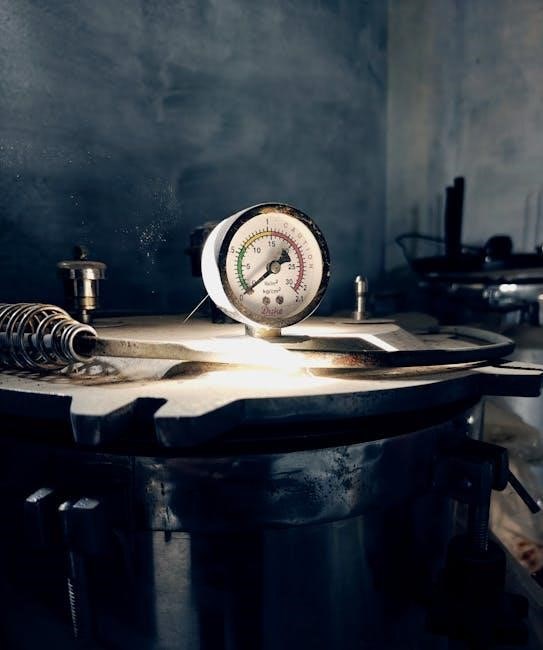
The Presto 16-quart pressure canner consists of several key components. These include the canner body, constructed from heavy-gauge aluminum, providing even heat distribution. The lid features a secure locking mechanism and a sealing gasket. Crucially, identify the pressure regulator – either a weighted gauge or dial gauge – responsible for maintaining correct pressure.
The vent pipe (steam vent) allows steam to escape during venting. The spigot facilitates easy draining. Examine the jar rack, ensuring it’s properly positioned to prevent jars from direct contact with the canner base. Understand the function of the safety valve, designed to release excess pressure in emergencies.
Familiarize yourself with the gasket, a rubber ring ensuring a tight seal. Regularly inspect its condition. Note the handle for safe lifting and maneuvering. Proper identification of each part is vital for safe and effective operation, as well as for ordering correct replacement parts when needed.
Weighted Gauge vs. Dial Gauge – Key Differences
Presto 16-quart canners come with either a weighted gauge or a dial gauge, each regulating pressure differently. Weighted gauges utilize calibrated weights that rock or jiggle to maintain a consistent pressure – typically 10 or 15 PSI. They are known for their simplicity and don’t require calibration.
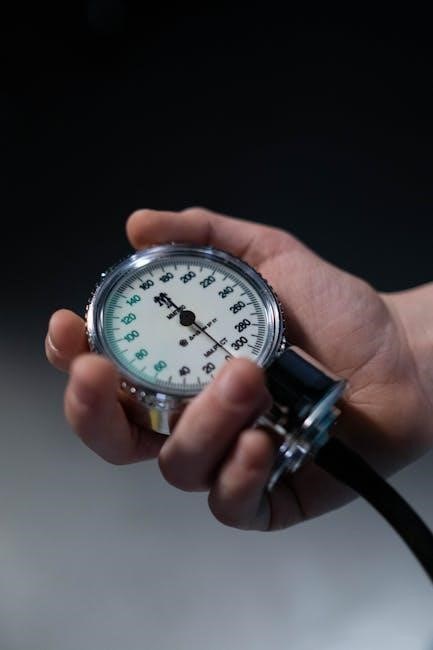
Dial gauges, conversely, display pressure readings on a dial. These require annual calibration for accuracy, as they can drift over time. A dial gauge offers a more precise pressure reading, allowing for adjustments based on specific recipes. However, inaccuracy due to lack of calibration poses a safety risk.
Weighted gauges are generally considered more foolproof, while dial gauges offer greater control. Understanding these differences is crucial for safe canning. Always verify the accuracy of a dial gauge before each canning session. If unsure, opt for a weighted gauge model for reliable, consistent results.
Preparing the Canner for Use
Before each use, thoroughly inspect your Presto 16-quart canner. Check the gasket for cracks, pliability, and proper seating within the canner lid. Ensure the vent pipe (steam vent) is clear of obstructions – a blocked vent can cause dangerous pressure buildup. For dial gauge models, verify gauge accuracy through annual calibration.
Add the required amount of water – typically 2-3 inches – to the canner base, depending on the recipe. Place the canning rack inside to prevent jars from direct contact with the bottom. Load prepared jars into the canner, ensuring they don’t touch each other or the sides. Secure the lid, locking it into place according to the manual’s instructions.
Proper preparation is vital for safe and effective canning. Always refer to the instruction manual for specific details related to your canner model. A well-prepared canner ensures consistent pressure and optimal preservation results.
Processing Low-Acid Foods: Vegetables & Meats
Low-acid foods like vegetables and meats require pressure canning to reach temperatures high enough to destroy Clostridium botulinum spores – the bacteria causing botulism. The Presto 16-quart canner is ideal for this process, achieving the necessary 240°F (116°C) consistently.
Proper preparation is crucial. Pack hot, not cold, foods into clean jars, leaving recommended headspace. Remove air bubbles using a non-metallic spatula. Wipe jar rims clean before applying lids and rings fingertip-tight.
Follow tested recipes and processing times precisely, as these are determined by food type, jar size, and altitude. Insufficient processing can lead to spoilage and health risks. Refer to the manual or reputable canning resources for accurate guidelines. Always vent the canner properly before pressurizing, and maintain consistent pressure throughout the processing time.
Recommended Processing Times for Common Foods
Processing times vary significantly based on the food being canned, jar size (pints, quarts), and your altitude. Always consult a current, research-based canning guide – the Presto manual provides a starting point, but regional adjustments are vital.
For example, green beans (cut) typically require 20 minutes at 10 PSI for pint jars, while carrots (sliced) need 25 minutes. Meats, being lower in acid, demand longer processing: beef (cubed) requires 75 minutes at 10 PSI in a quart jar.
Altitude adjustments are critical. At higher elevations, water boils at a lower temperature, necessitating increased processing times or pressure. The manual details specific adjustments for different altitudes. Ignoring these adjustments can result in under-processed food and potential health hazards. Always double-check your settings and times before beginning!

Water Levels and Proper Venting Procedures

Maintaining correct water levels is paramount for safe and effective canning. The Presto 16-quart canner requires a minimum of 3 cups of hot water, but the amount varies based on the recipe and jar size – always follow recipe guidelines precisely. Insufficient water can cause food to dry out or jars to break.
Proper venting is equally crucial. Before pressurizing, the canner must vent steam for 10 minutes to remove air. This ensures accurate temperature and pressure development. A steady, vigorous stream of steam indicates proper venting.
After venting, attach the weight or close the vent (for dial gauge models) and allow the pressure to build. Never attempt to open the canner until the pressure has returned to zero and 10 minutes have passed. Incorrect venting can lead to under-processing or dangerous pressure build-up.
Operating Instructions: Step-by-Step Guide
Begin by adding the specified amount of hot water to the Presto canner, ensuring it’s at least 3 cups. Load filled jars onto the rack, leaving space for circulation. Secure the lid, locking it into place correctly.
Next, vent the canner for 10 minutes to expel air, observing a steady steam stream. Attach the weighted gauge or close the vent on dial gauge models. Allow the pressure to build to the recipe’s required level.
Maintain the correct pressure consistently throughout the processing time, adjusting the heat as needed. Once processing is complete, turn off the heat and allow the canner to cool naturally until the pressure reaches zero. Do not force cool it. After 10 minutes, carefully open the vent and then the lid, directing it away from your face. Remove jars and let cool completely.
Troubleshooting Common Issues
If steam leaks continuously from the vent, ensure the lid is properly sealed and the gasket is correctly positioned. A slow pressure build-up might indicate insufficient heat or too much liquid. Verify the burner flame extends beyond the canner base.
Jars failing to seal often result from insufficient headspace, chipped jar rims, or improper processing times. Always follow recipe guidelines precisely. If using a weighted gauge, confirm it’s the correct weight for your altitude.
Difficulty removing the weighted gauge can be resolved by gently wiggling it while slightly lifting. Induction cooktops may require a special interface plate for proper heat distribution. Remember, a missing manual can be downloaded as a PDF. Always prioritize safety and consult reliable canning resources.
Using the Presto Canner on Induction Cooktops
Presto canners, particularly older models, may not directly function on induction cooktops due to their base material. Induction requires ferromagnetic surfaces for heat transfer, and standard canner bases often lack this property.
To utilize your Presto canner on an induction cooktop, an interface disc or adapter plate is typically necessary. These discs, made of cast iron or stainless steel, bridge the gap by providing a suitable magnetic surface. Ensure the disc is larger than the canner base for even heat distribution.
Monitor the heating process closely, as induction can be very efficient. Adjust the power level to maintain a steady pressure without overheating. Remember, proper venting is crucial. Always consult the manual for specific instructions and safety precautions when adapting your canner for induction use. A PDF version of the manual is readily available online.
Finding Replacement Parts
Locating replacement parts for your Presto 16-quart pressure canner is essential for maintaining its safety and functionality. Presto’s official website is the primary source, offering a comprehensive catalog of parts, including gaskets, seals, weights, and vent pipes.
Retailers like eBay also frequently stock Presto canner parts, offering both new and used options. When purchasing from third-party sellers, carefully verify the part number and compatibility with your specific model (0174510 or 0178209). Always prioritize genuine Presto parts to ensure a proper fit and reliable performance.
For discontinued or hard-to-find parts, consider contacting Presto’s customer service directly. They may offer assistance or suggest alternative solutions. Remember to have your canner’s model number readily available when ordering or inquiring about replacement parts. A downloadable PDF manual can help identify specific components.
Locating the Instruction Manual (PDF Download)
Accessing the official instruction manual in PDF format is crucial for safe and effective operation of your Presto 16-quart pressure canner. Unfortunately, the separate manual for the 16-quart weighted gauge canner has seemingly disappeared from some sources, but remains accessible through diligent searching.
Numerous websites archive canning resources, offering downloadable manuals for various Presto models, including 0174510 and 0178209. A quick online search using these model numbers alongside “instruction manual PDF” will yield several results. Be cautious when downloading from unfamiliar sites, ensuring they are reputable and free of malware.
The manual provides detailed guidance on all aspects of canning, from preparation and operation to troubleshooting and safety precautions. Reviewing the PDF before each use is highly recommended, especially if you are new to pressure canning. It’s a vital resource for preserving food safely and successfully.
Understanding Processing Adjustments for Altitude
Altitude significantly impacts the boiling point of water, and therefore, the processing times required for safe canning. As elevation increases, atmospheric pressure decreases, lowering water’s boiling temperature. This means food needs to be processed for a longer duration at higher altitudes to achieve the necessary internal temperature for eliminating harmful bacteria.
The Presto 16-quart canner manual provides specific adjustment charts based on your altitude. These charts detail the increased processing time needed for various foods at different elevation levels – typically categorized in 1,000-foot increments. Failing to adjust processing times for altitude can result in under-processed food, posing a serious health risk.

Always consult the manual’s altitude adjustment table before beginning any canning process. Accurate altitude determination is crucial; use a reliable source to determine your exact elevation above sea level. Proper adjustments ensure your preserved foods are safe for long-term storage and consumption.
Cleaning and Maintaining Your Presto Canner
Regular cleaning and maintenance are vital for ensuring the longevity and safe operation of your Presto 16-quart pressure canner. After each use, thoroughly wash all removable parts – the rack, steam control, and pressure regulator – with warm, soapy water. Rinse completely and allow to air dry.
Inspect the sealing ring (gasket) for cracks, nicks, or hardening. Replace it annually, or more frequently if damage is detected, as a compromised seal can prevent proper pressure buildup. The vent pipe should be kept clear of obstructions; use a pipe cleaner to ensure it’s unobstructed.
The canner body should be wiped down with a damp cloth after cooling. Avoid abrasive cleaners, as they can damage the finish. Never immerse the canner body in water. Proper maintenance, as outlined in the manual, guarantees safe and efficient canning for years to come.
Canning Recipes and Resources
Successful canning relies on following tested recipes to ensure food safety and quality. The Presto 16-quart canner manual provides basic guidelines, but numerous resources offer detailed recipes for various foods.
The National Center for Home Food Preservation (NCHFP) is an excellent source of scientifically-backed canning instructions. USDA Complete Guide to Home Canning is another invaluable resource, offering comprehensive information on processing times and procedures.
Ball Blue Book Guide to Preserving is a widely-used cookbook with a wealth of canning recipes. Online forums and websites dedicated to home canning also provide a community for sharing tips and recipes. Always prioritize recipes from reputable sources and adhere strictly to processing times specified for your altitude and food type. Remember, safe canning is paramount!
Presto Canner Model Numbers (0174510 & 0178209)
Presto offers several 16-quart pressure canner models, with 0174510 and 0178209 being commonly encountered. While functionally similar, understanding the nuances between these models is crucial for proper operation and locating the correct resources.
Model 0174510 typically features a weighted gauge regulator, relying on the jiggle method to maintain pressure. Model 0178209 usually incorporates a dial gauge, providing a more precise pressure reading. The instruction manual often covers both models, but specific details may vary.
When searching for replacement parts or troubleshooting, accurately identifying your model number is essential. This ensures compatibility and prevents using incorrect components. The model number is usually located on the canner’s base or body. Always refer to the manual specific to your model for accurate guidance.
Where to Purchase Presto Canning Equipment
Finding a Presto 16-quart pressure canner, or related canning supplies, is readily achievable through various retail channels. Major retailers like Walmart, Target, and Amazon consistently stock Presto products, offering convenience and competitive pricing. Specialty kitchen stores, both brick-and-mortar and online, often carry a wider selection and expert advice.

Online marketplaces such as eBay can be a source for both new and used canners, potentially offering deals but requiring careful inspection of the product’s condition. Directly visiting the Presto website provides access to their full product line and authorized dealer locations.
When purchasing, compare prices and consider shipping costs. Ensure the retailer has a good return policy in case of defects or dissatisfaction. Remember to verify the model number and confirm it aligns with your needs and the corresponding instruction manual.